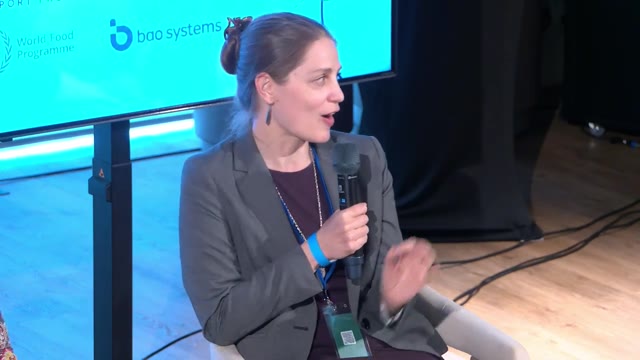
 1:01
1:01Draw the decision before choosing the tool
Start with the workflow, human decisions and intended benefit.
Likely speaker
 SUMMIT & RESEARCH
Seven short passages connect the summit’s questions: who decides, who benefits, and what turns a promise into practice?
What changes when people have a say in the systems they depend on?
Start with the human workflow and the intended benefit before choosing a technology.
1:01Start with the workflow, human decisions and intended benefit.
A share of profits and influence over a powerful firm are different things. This distinction sets up the next two passages.
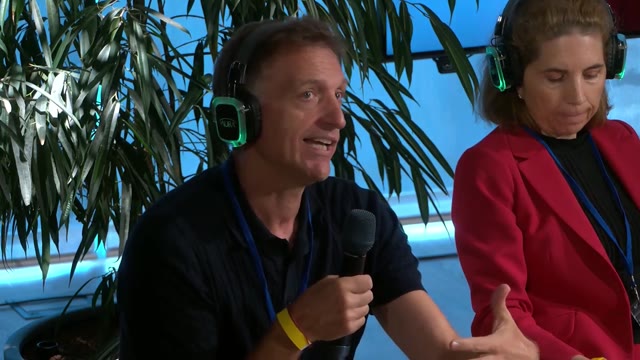 1:02
1:02A share of profits and influence over dominant firms are separate questions.
Sharetribe’s experience shows why protecting a mission and sharing decision-making power require separate choices.
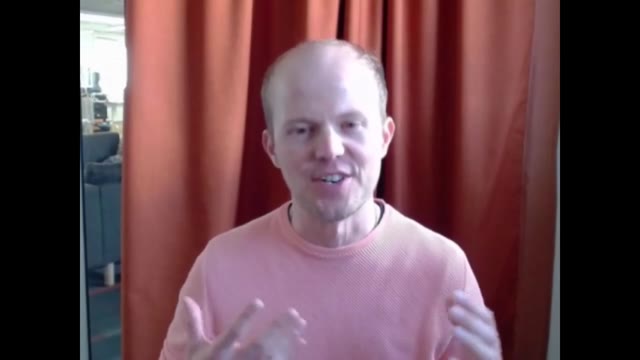 1:43
1:43Sharetribe’s founders retained voting control before a later democratic transition.
MONDRAGON describes training and transfers as ways to support people when technology changes their work.
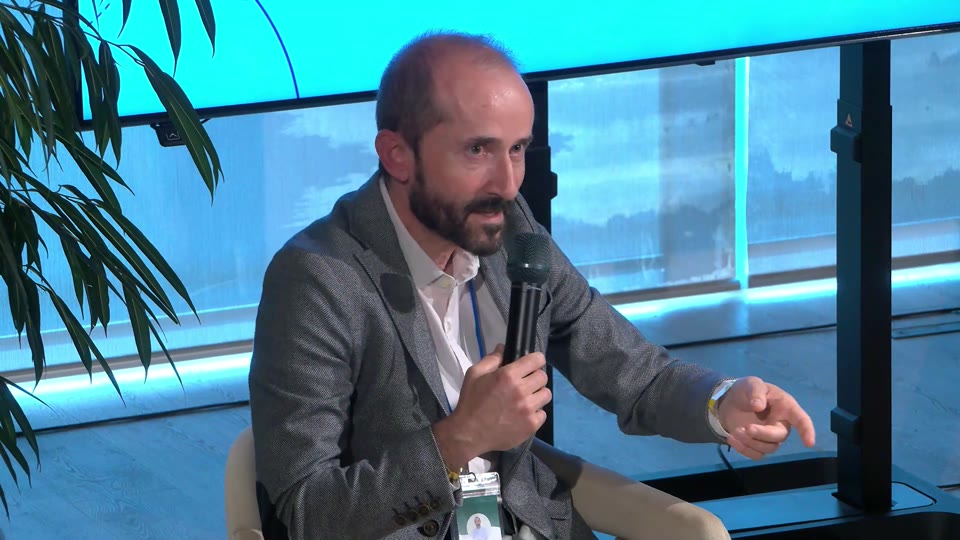 0:42
0:42MONDRAGON’s Ander Etxeberria Otadui describes training, transfers and supported retirement as responses to automation.
Traceability provides a starting point. It does not by itself establish who benefits or whether conditions improve.
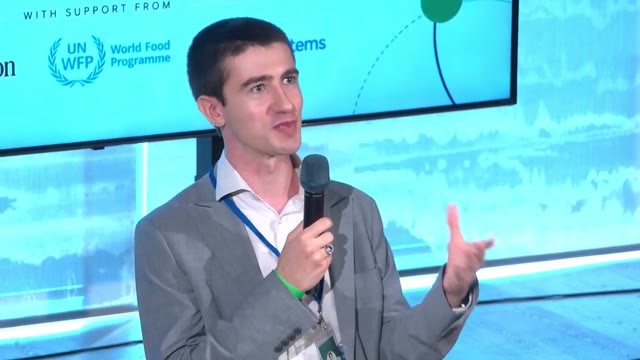 1:16
1:16Knowing origin does not settle due diligence, participation or the distribution of benefits.
Physical infrastructure matters: reporting alone cannot create the facilities needed for change.
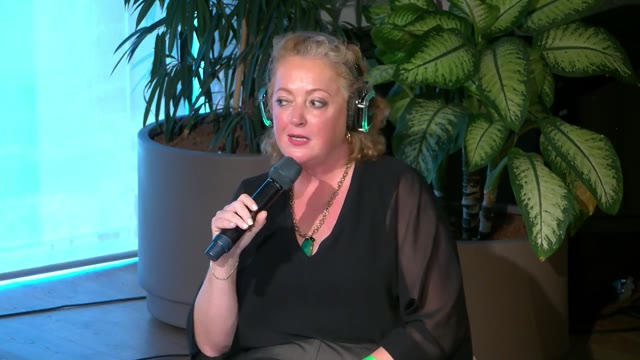 0:40
0:40The moderator explains why physical processing capacity is needed for reporting to lead to improvement.
Close by distinguishing representation, votes and the ability to stop a decision. Participation takes different forms.
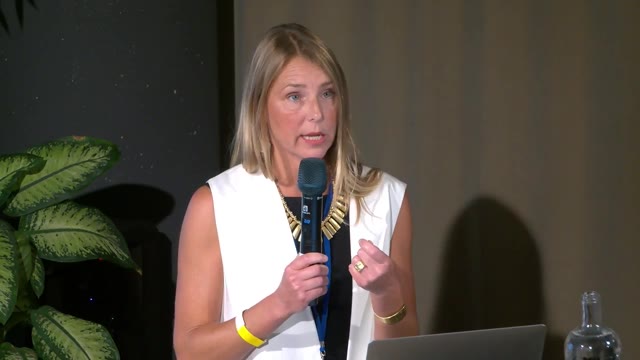 2:52
2:52A study distinguishes representation, votes and the power to stop a decision.