 1:01
1:01Draw the decision before choosing the tool
Start with the workflow, human decisions and intended benefit.
Speaker
 SUMMIT & RESEARCH
33 passages exploring the summit’s ideas through explanations, practical cases, objections and open questions.
1:01Start with the workflow, human decisions and intended benefit.
 1:18
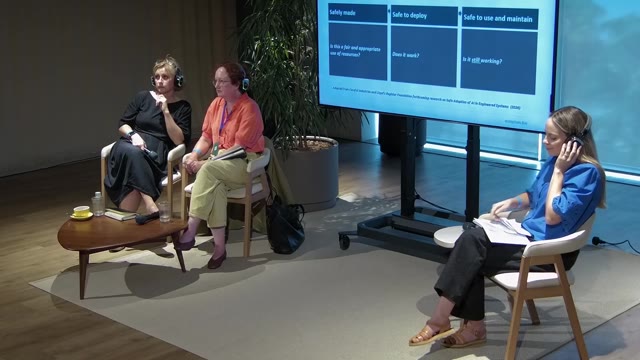
1:18A practitioner challenges short grants that leave nobody to monitor deployed systems.
 1:47
1:47Why trials, qualitative knowledge and institutional analysis answer different questions.
 2:23
2:23The adoption gap starts before installation: devices, data cost and household control.
 3:11
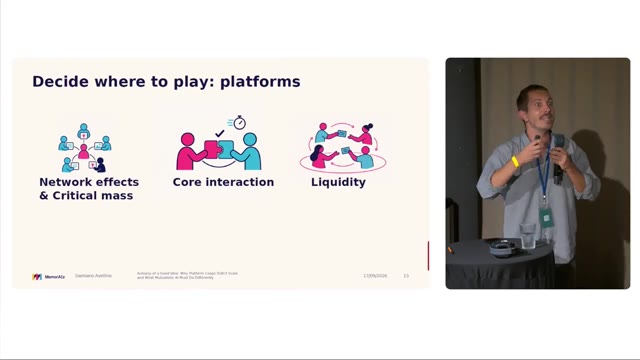
3:11Fairbnb’s publicity did not solve marketplace density and matching problems.
 2:57
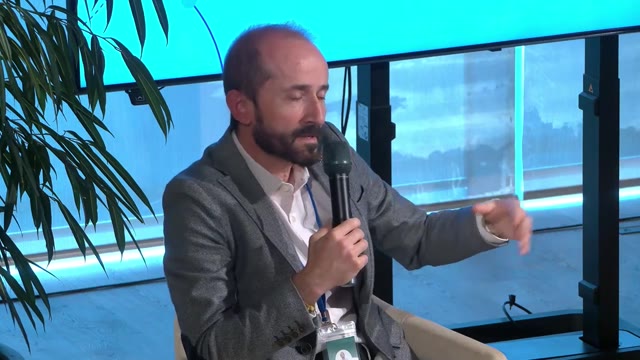
2:57Overseas subsidiaries expose the limits and conditions of a shared-ownership model.
 1:02
1:02A share of profits and influence over dominant firms are separate questions.
 1:43
1:43Sharetribe’s founders retained voting control before a later democratic transition.
 2:52
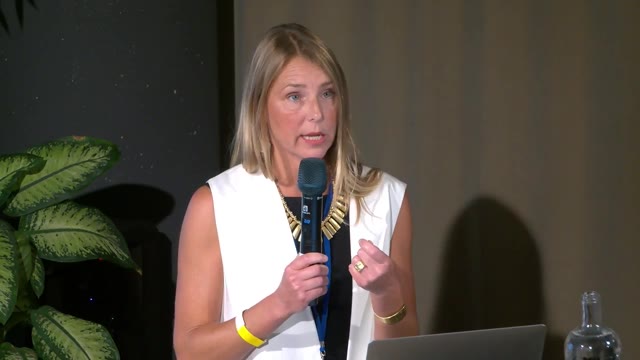
2:52A study distinguishes representation, votes and the power to stop a decision.
 2:09
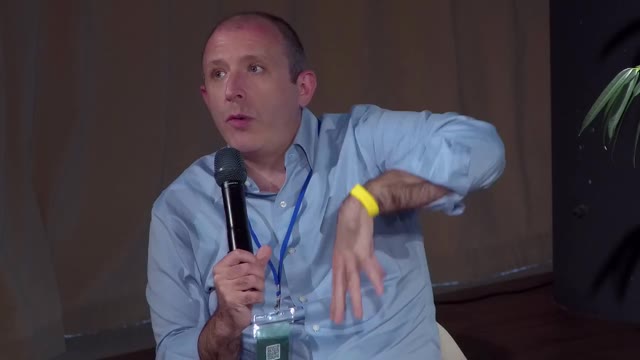
2:09An API change exposed the recurring costs and legal responsibilities of shared data.
 1:16
1:16Knowing origin does not settle due diligence, participation or the distribution of benefits.
 1:54
1:54The transition debate must also consider demand, sufficiency and rights holders.
 2:36
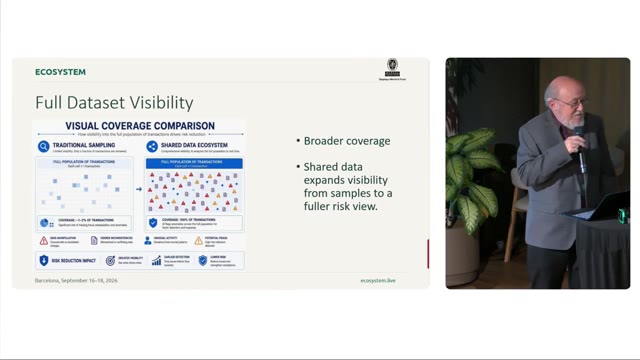
2:36More complete checks can reveal problems while creating a commercial penalty for the verifier.
 3:23
3:23An objection is followed by proposals on bargaining power and audit savings—not evidence of payment.
 0:40
0:40The moderator explains why physical processing capacity is needed for reporting to lead to improvement.
 3:33
3:33Local-model optimism meets a challenge about resources and bargaining power.
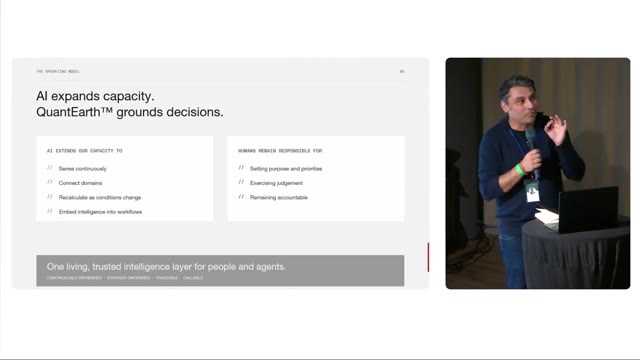 1:14
1:14Methods, assumptions, purpose and escalation remain decisions people must own.
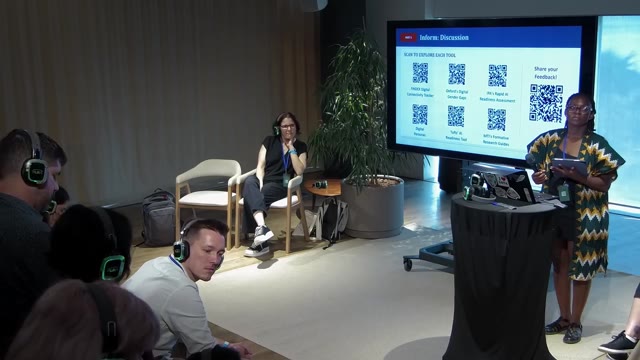 2:19
2:19The final exchange brings data feminism, intersectionality and an Afrofeminist lens into the readiness discussion.
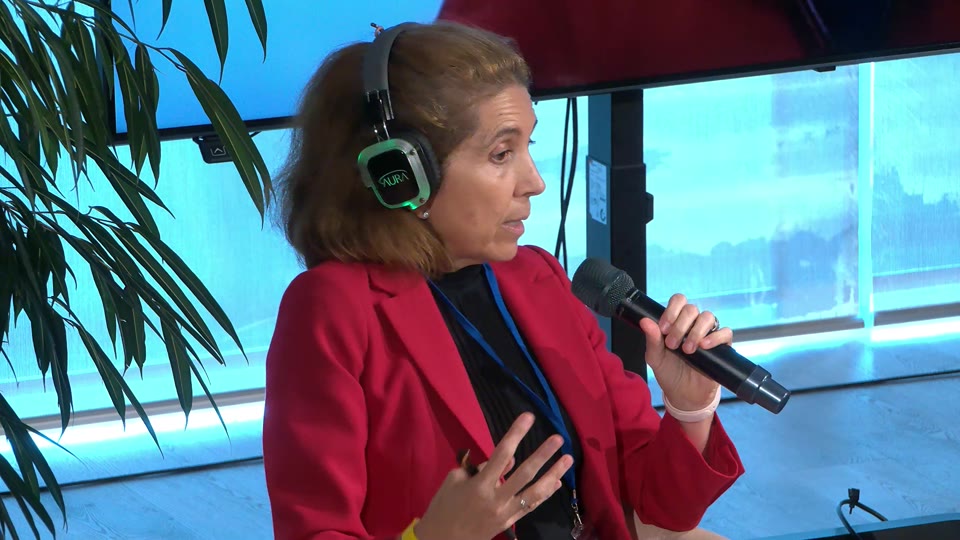 1:11
1:11Nuria Oliver explains why AI infrastructure depends on talent, opportunity and support for people whose work is changing.
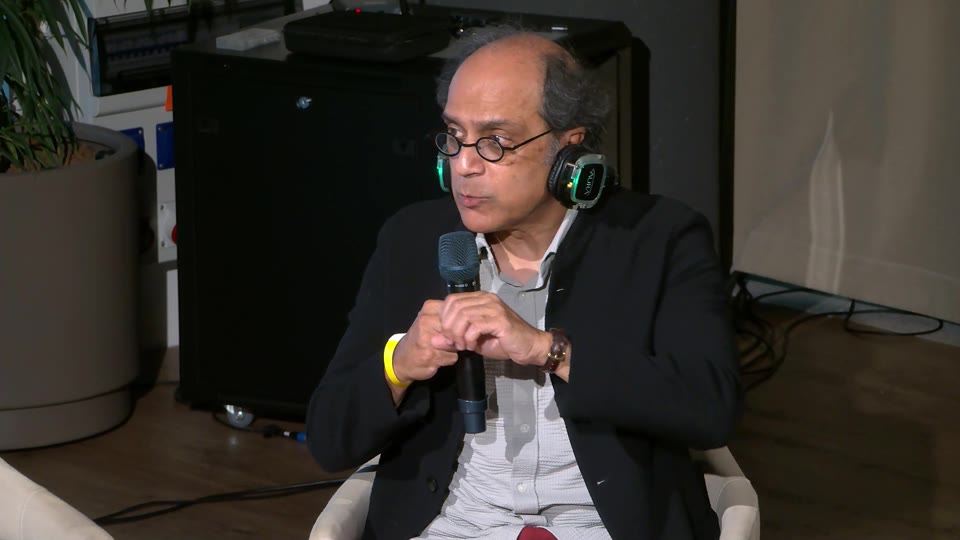 1:24
1:24Bhaskar Chakravorti connects competition, institutions and public agency as starting points for changing who benefits from AI.
 0:51
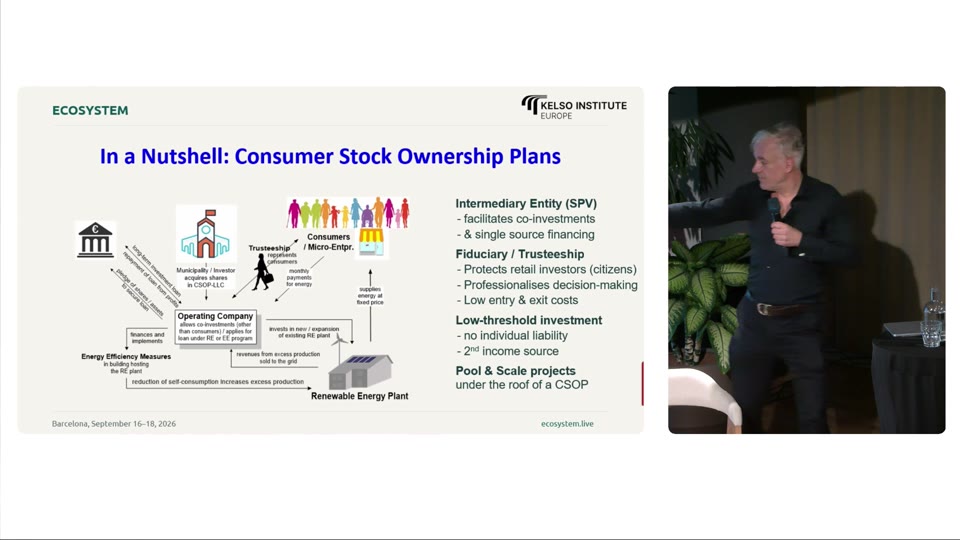
0:51Jens Lowitzsch explains how a renewable-energy ownership model uses trusteeship and future returns to include people without existing savings.
 0:42
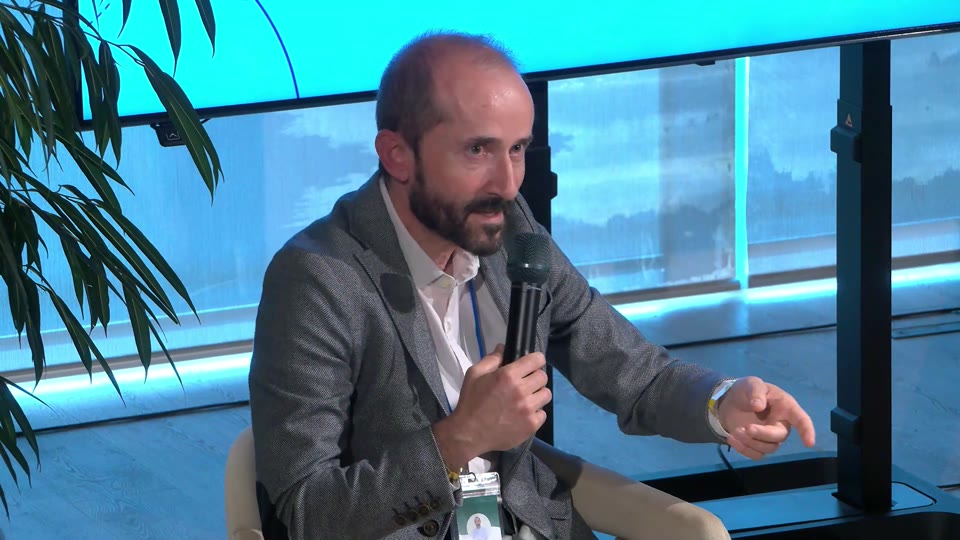
0:42MONDRAGON’s Ander Etxeberria Otadui describes training, transfers and supported retirement as responses to automation.
 2:36
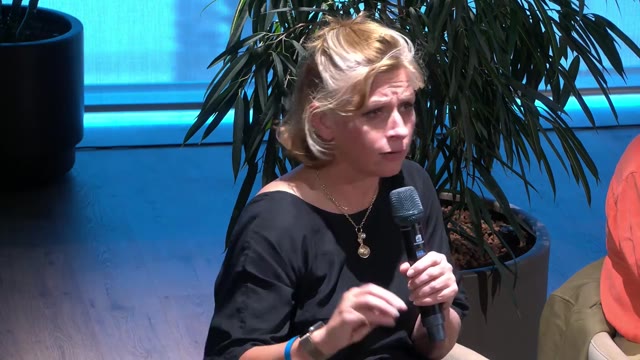
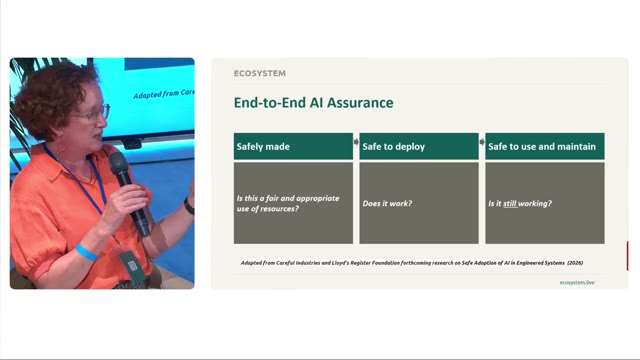
2:36Rachel Coldicutt explains why AI evaluation must continue during use, asking who is excluded when a tool fails and whether it works in each new context.
 3:05
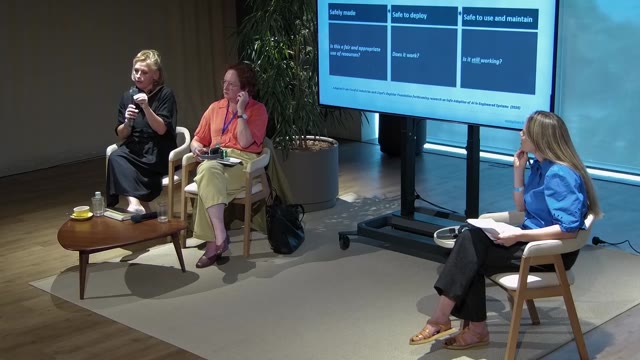
3:05Rachel Coldicutt proposes shared maintenance and a culture of safety that continues beyond the pilot, the grant and the launch checklist.
 1:32
1:32Drawing on research in southern India, Rachel Coldicutt describes small enterprises building for specific languages, needs and levels of access.
 0:52
0:52Becky Faith argues that shrinking budgets and pressure to move quickly make research and equitable partnerships more important. She speaks in a personal capacity.
 1:23
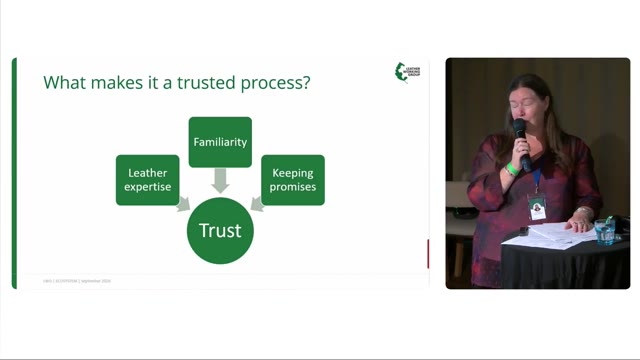
1:23Victoria Snelling explains what Leather Working Group must preserve as it digitises: trusted expertise, responsible data handling and promises kept.
 0:50
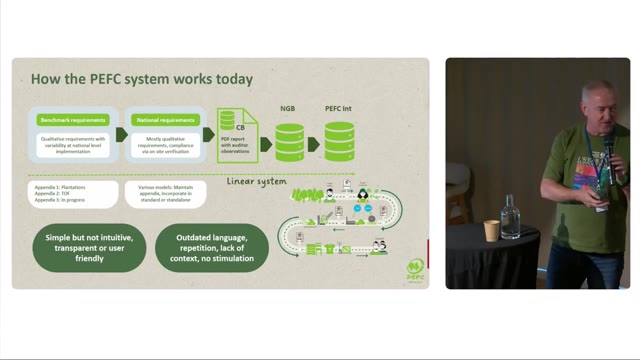
0:50Rob Shaw explains why spreadsheets and manual transfers make it harder to substantiate certification claims—and why saying a system is audited is no longer enough.
 1:49
1:49Karan Chopra recalls a storm that destroyed a rice-processing facility in Ghana, then explains why a failed season can be far harder for a smallholder to survive.
 1:02
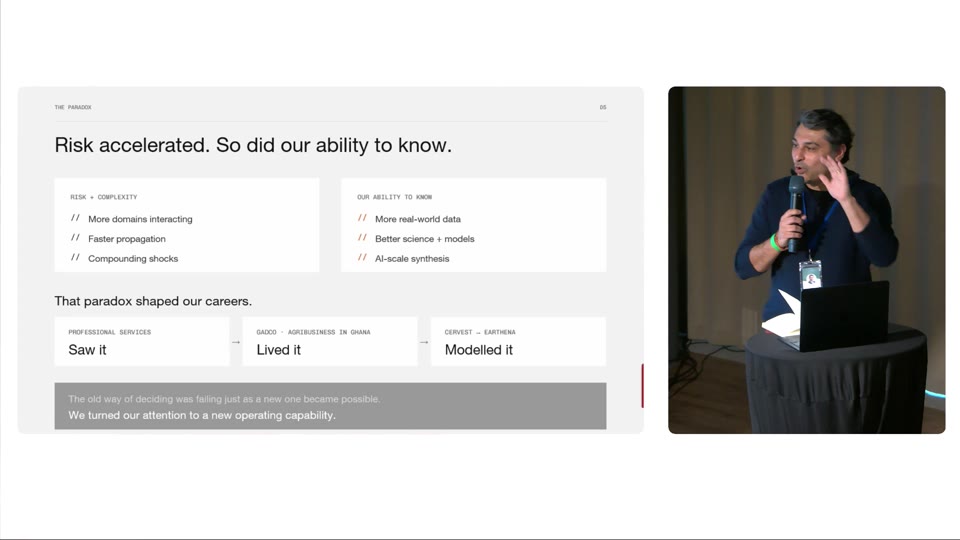
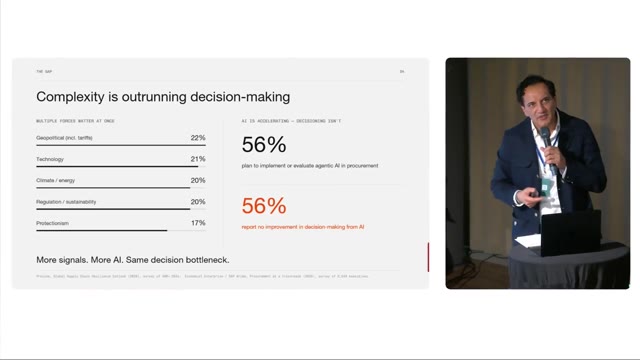
1:02Iggy Bassi argues that more data and AI tools do not automatically solve the decisions created by overlapping supply-chain risks.
 1:47
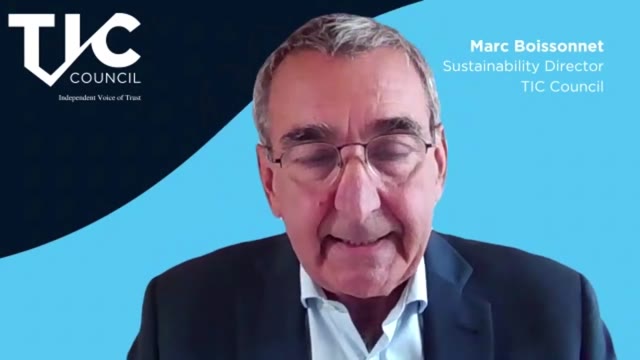
1:47Marc Boissonnet of the TIC Council explains a two-step approach: verify how sustainability data is produced, then verify the claims made from it.
 1:00
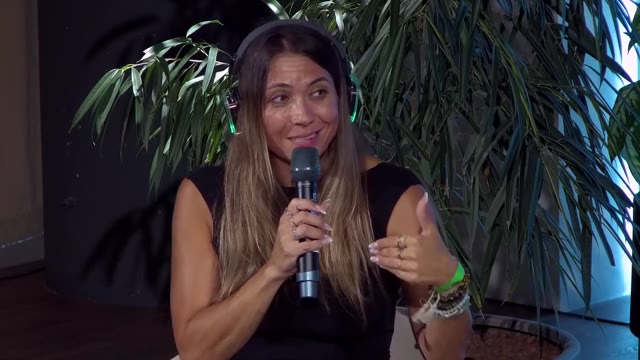
1:00Lela Mélon urges businesses to use verified evidence to rethink their strategy and make sustainability work for their business.
 1:10
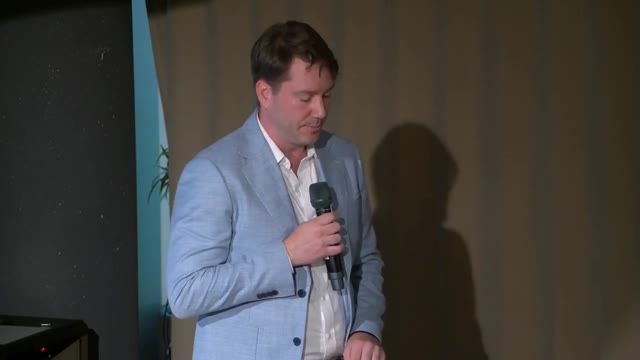
1:10In his day-two opening, Martin Smith sets out three foundations of human agency: security to plan, a meaningful say in decisions, and a lasting share in the value people create.