Networking / arrival
Registration and welcome coffee
Networking / arrival · Red Room
Session overview
Arrival, registration, and early coffee before the formal opening.
 SUMMIT & RESEARCH
The complete summit agenda: 58 sessions, workshops, breakouts and gatherings. All times are Barcelona local time (CEST).
58 of 58 programme items
How can AI improve human and development outcomes?
Networking / arrival · Red Room
Arrival, registration, and early coffee before the formal opening.
Welcome address · Town Hall Venue
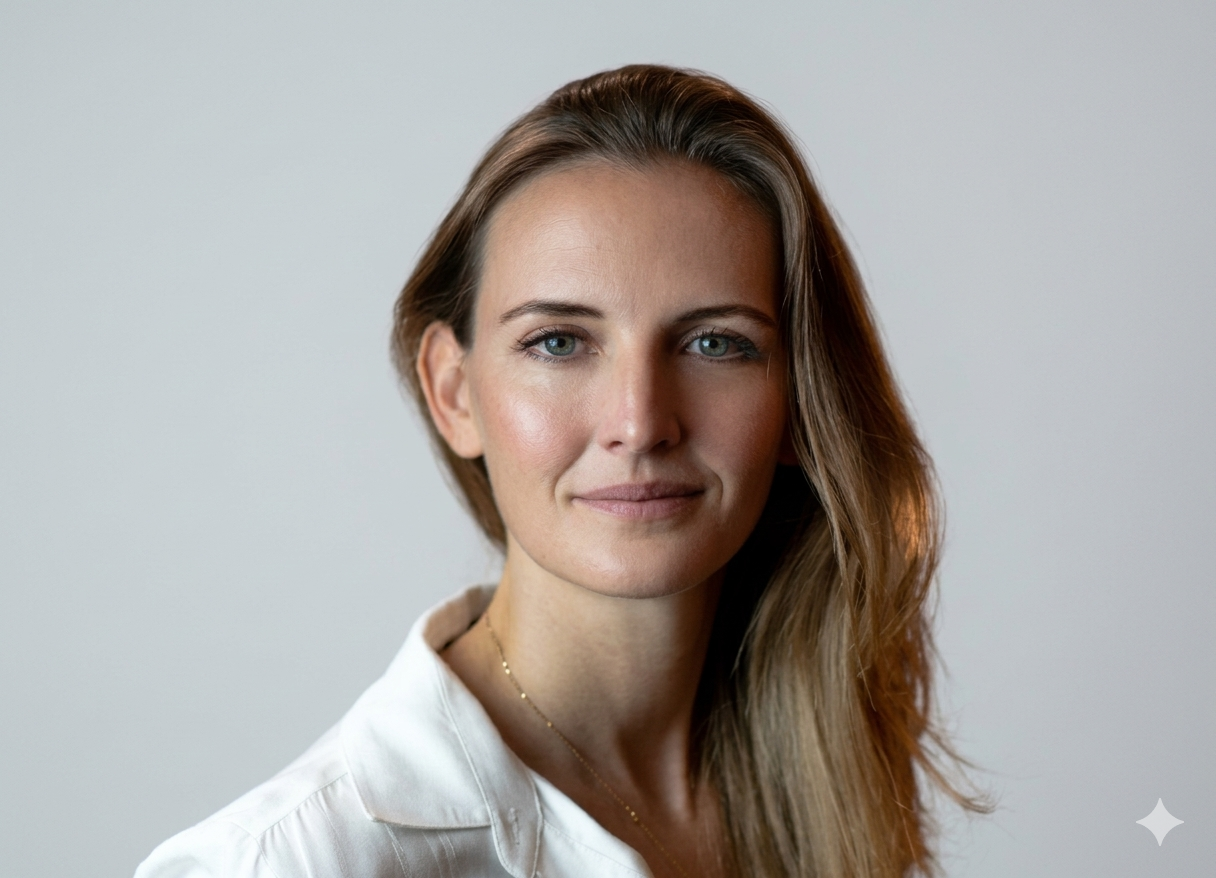 Lindsey MooreCEO & Founder, DevelopMetrics
 Martin SmithCo-Founder and CEO, CommonShare; Partner, the Ownership Economy
A welcome address and overview of the conference objectives for AI for Development and Impact (AI4D) 2026.
Keynote plenary · Town Hall Venue
How can AI help humanitarian teams turn scattered information into timely, better-informed action? Drawing on the Norwegian Refugee Council’s experience, Zineb Bhaby explores the practical choices involved in applying AI to humanitarian response. The keynote will examine where AI can support decisions, what makes its outputs trustworthy and usable, and how organisations can work together on shared data and infrastructure. It will offer a perspective on the capabilities, partnerships and accountability needed to make AI useful to the people delivering and receiving assistance.
Panel discussion and workshop · Town Hall Venue with Breakout into Red Room and Marenostrum
 Caryl FeldackerSenior Program Officer, Data and Technology Adoption, Gender Equality Division, Gates Foundation
 Linda RaftreeFounder, The MERL Tech Initiative; Convener, NYC Technology Salon
 Varaidzo MatimbaAI+Africa Lead, The MERL Tech Initiative
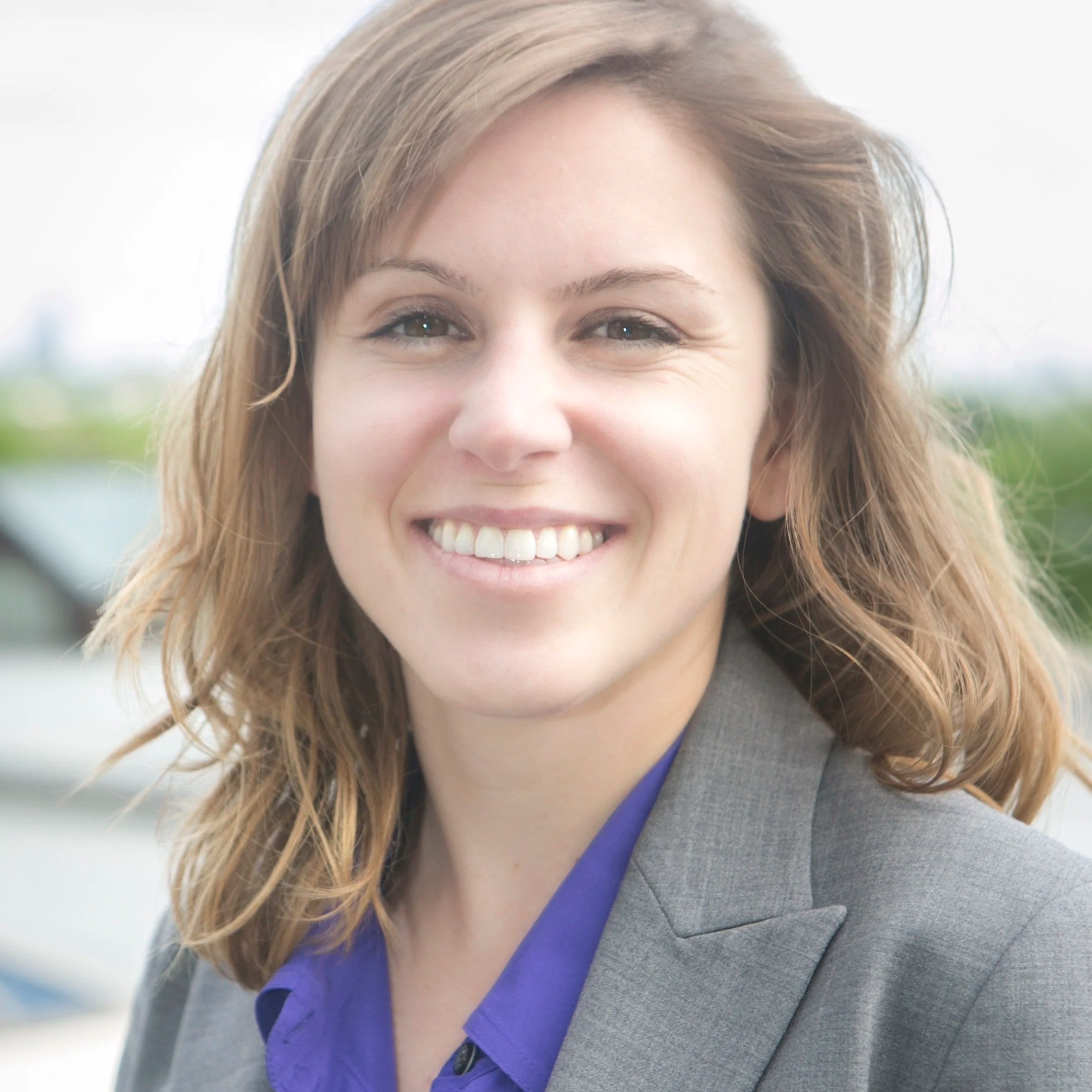 Christina FilipovicHead of Research, Digital Planet, The Fletcher School of Law & Diplomacy at Tufts University
 Bhaskar ChakravortiDean of Global Business, The Fletcher School of Law & Diplomacy at Tufts University and Chair, Digital Planet
National-level connectivity metrics, whether for internet access or for women's phone ownership, are insufficient predictors of actual AI readiness. Before AI for development can deliver on its promise, those designing, implementing, and funding these tools need to understand the local connectivity context rather than deploy first and adjust later. Unlike binary connectivity measures, actual connectivity is often cyclical, shaped by recurring supply- and demand-side disruptions like cost, economic shocks, restricted device access, and unreliable electricity. Using a case study from Northern Nigeria, we’ll take a closer look at what localized data on AI readiness reveals, and why nuanced formative research is a critical step in AI design. Following a short overview of some AI readiness tools and data sets, including sub-national segmentations and AI-readiness forecasting tools, participants will be invited to engage in problem solving and discussion in small groups. We’ll finish with an open conversation about how and when formative research and local-level data can support improved AI impact in LMICs and what is still missing. Participants will leave able to ask sharper questions, evaluate tradeoffs, and identify the best use of scarce resources before they fund or deploy.
Transition · Town Hall Venue
Participants return to plenary before the Advanced Solutions for Development Delivery panel.
Panel discussion · Town Hall Venue
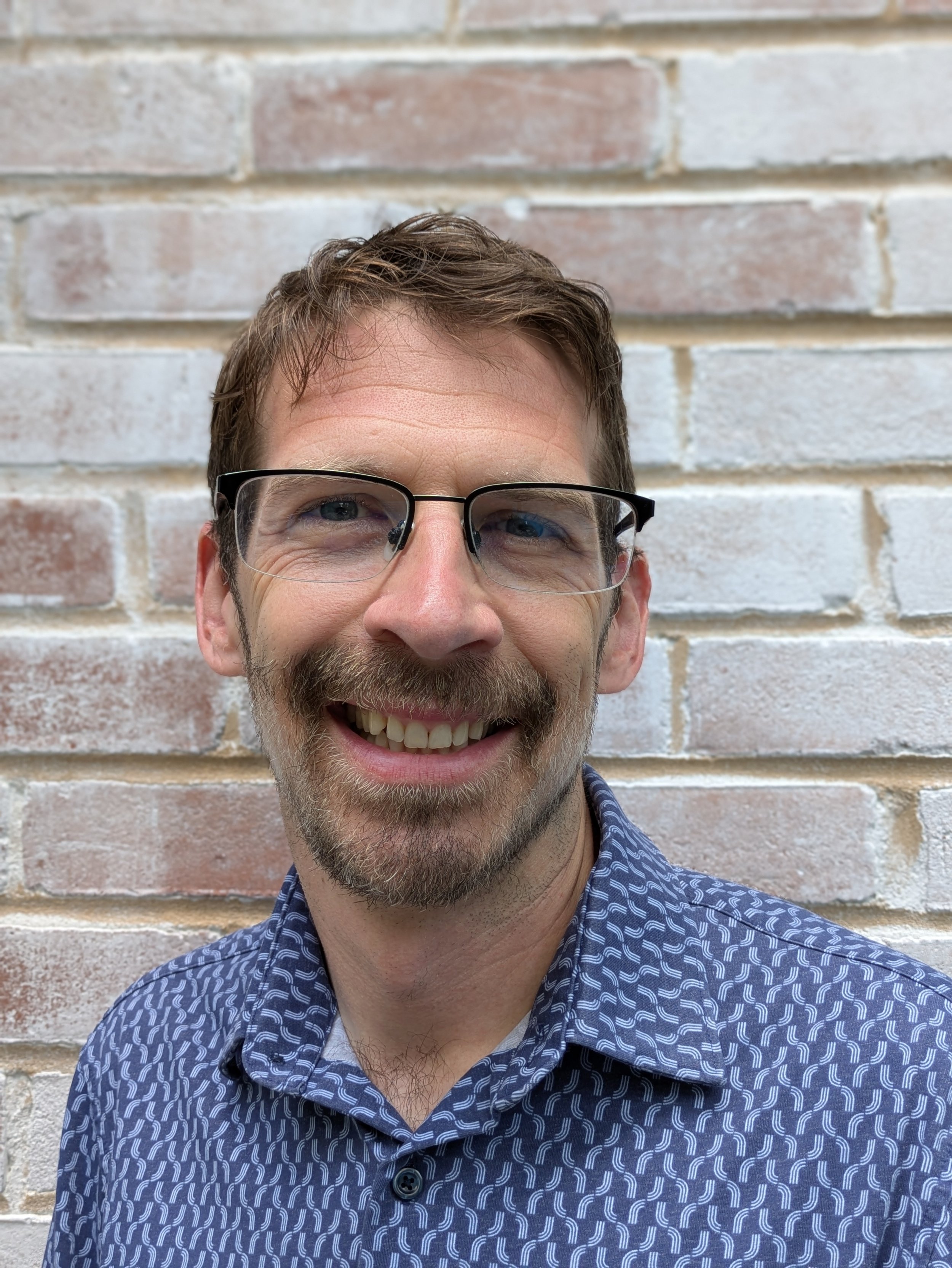 Kent FreezeProgram Officer, Gates Foundation
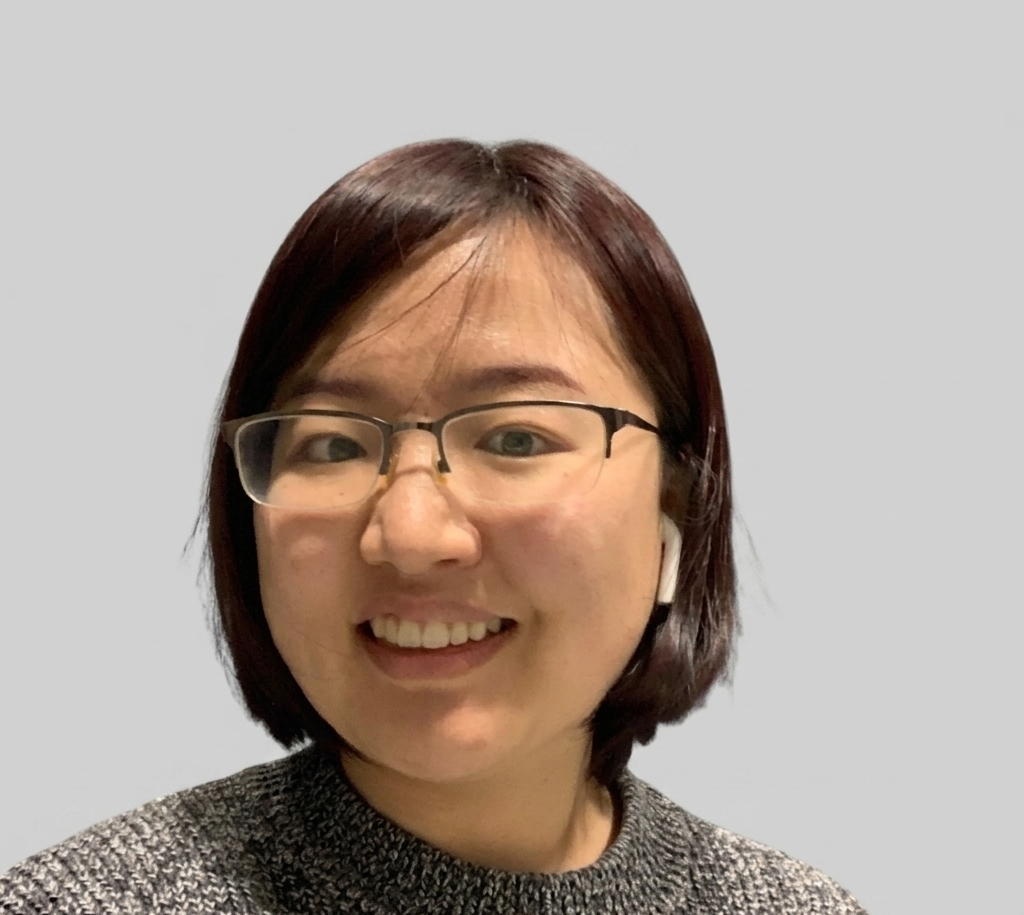 Linxi WangDevelopment Policy Expert and Data Quality Coordinator, World Bank ImpactAI
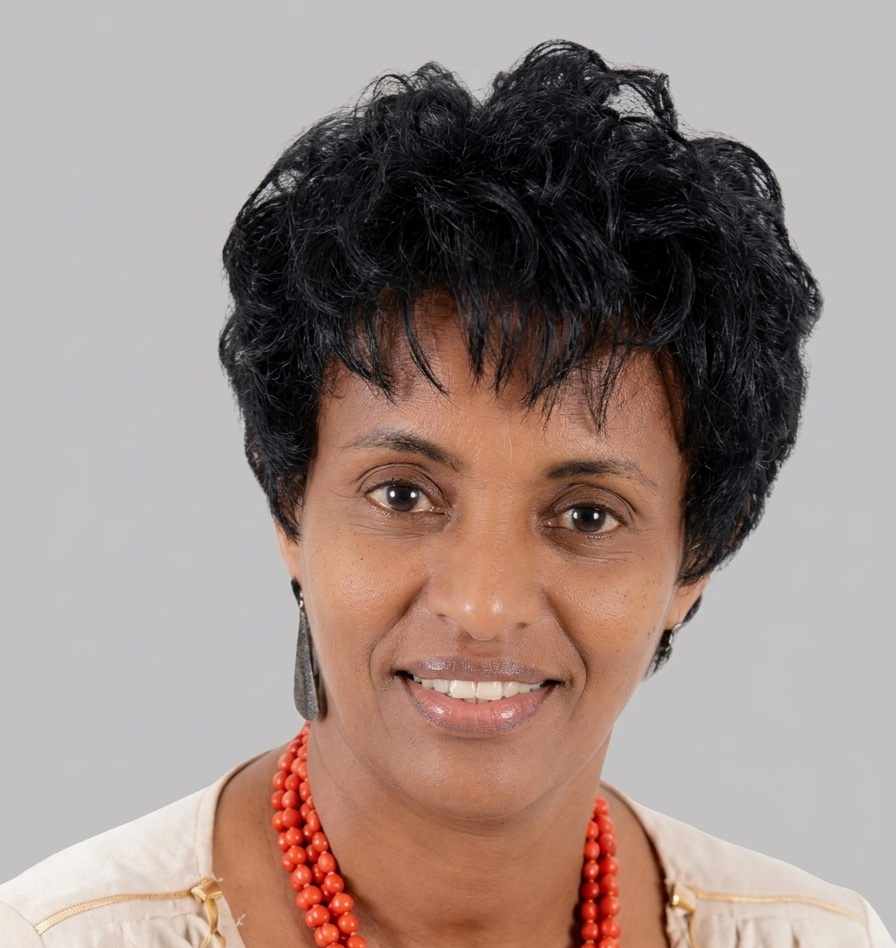 Yemesrach WorkieExecutive Director, IATILindsey MooreCEO & Founder, DevelopMetrics
A panel on how advanced AI tools can improve development delivery, and what it takes to move from promising pilots into accountable institutional workflows.
Networking lunch
Lunch for the full group, with time for side conversations before the breakout tracks begin.
Simultaneous Breakout · Earthshot
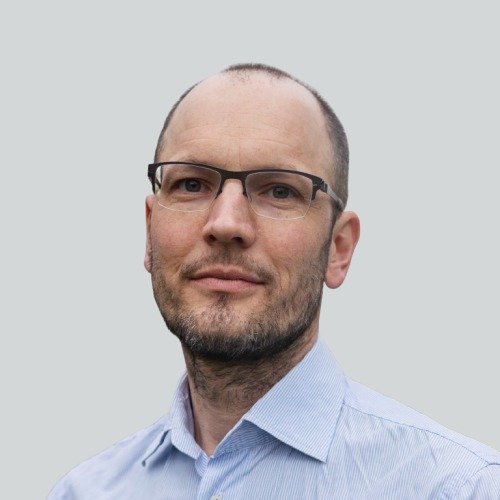 Tim OhlenburgResearch Fellow, Center for Global Development (CGD) · Moderator
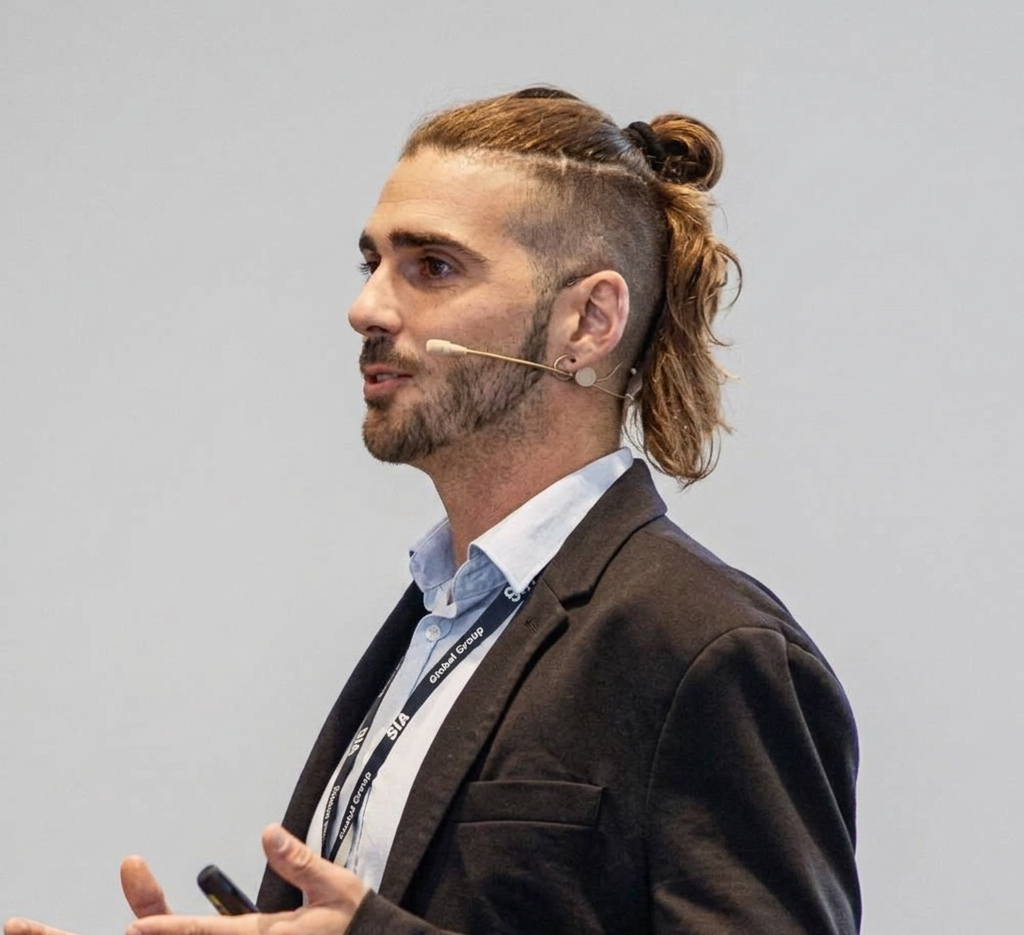 Elia GandolfiData and AI for Social Impact, The Agency Fund
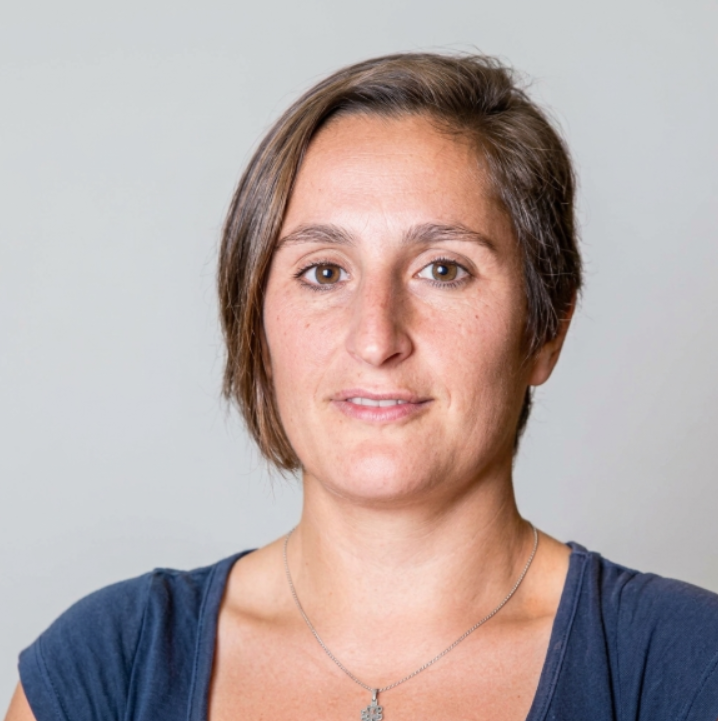 Ruth OrbachDirector of Monitoring, Evaluation, and Learning, GSMA
A founder- and operator-facing session on moving beyond pilot culture toward evidence strong enough to justify wider adoption and investment.
Recording not in this collection
Simultaneous Breakout · Town Hall
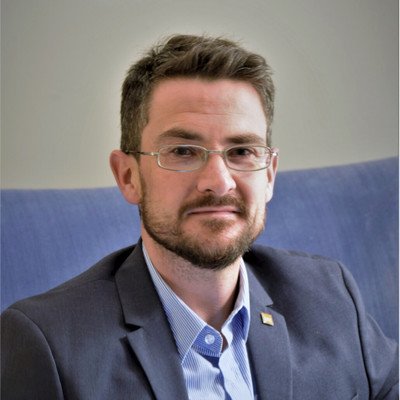 Mathew TruscottHead of Office at Oxfam International Geneva
 Emily JanochAssociate Vice President for Evidence and Learning, CARE
 Mala RamDigital Technology Programmes Specialist, GOAL Global
 Kristen CordellSenior Director, Policy, Grand Challenges Canada
A grounded breakout on how NGOs are actually adopting AI, where capacity gaps remain, and what organizational change is needed for tools to become useful rather than distracting.
Simultaneous Breakout · Red Room
 Robin NowokData for Development expert, The GIZ Data Lab
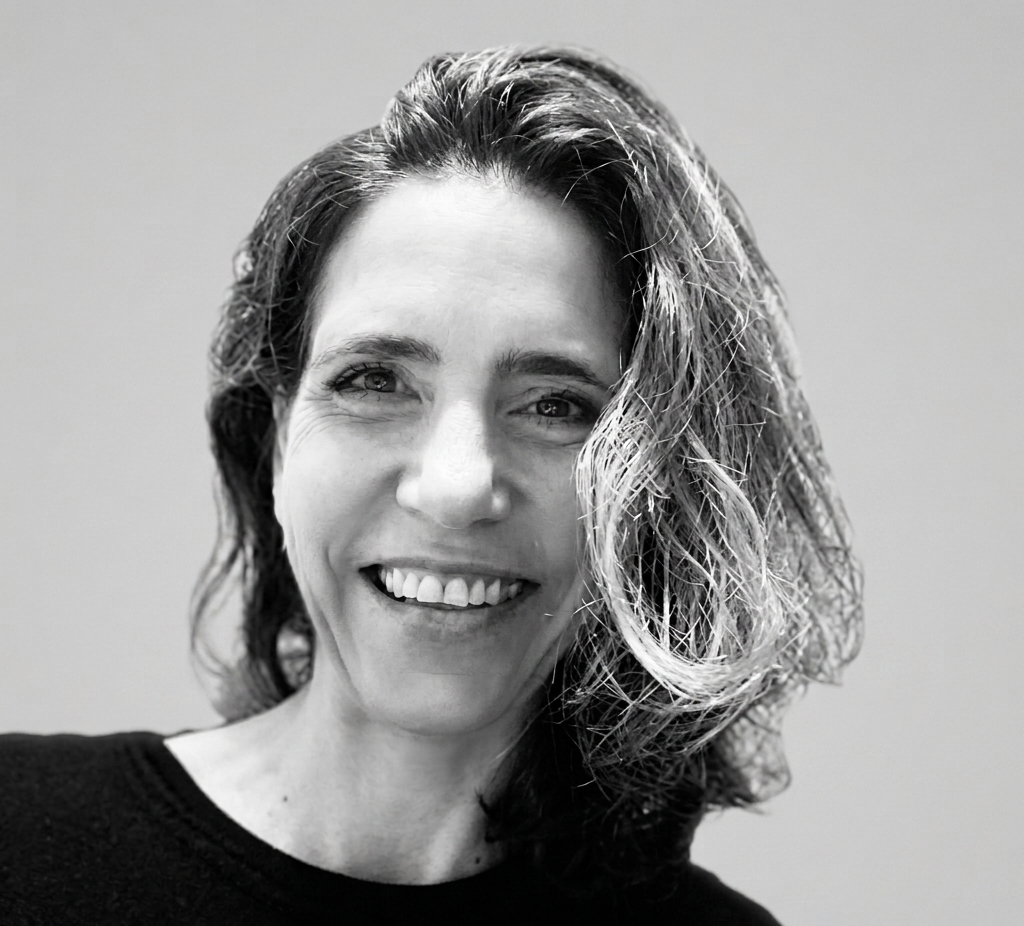 Catherine VogelCoordination Lead, GIZ Data Lab
A case-based session on negotiation intelligence and decision-support tools for development contexts, focused on workflow design rather than abstract AI capability.
Recording not in this collection
Simultaneous Breakout · Town Hall
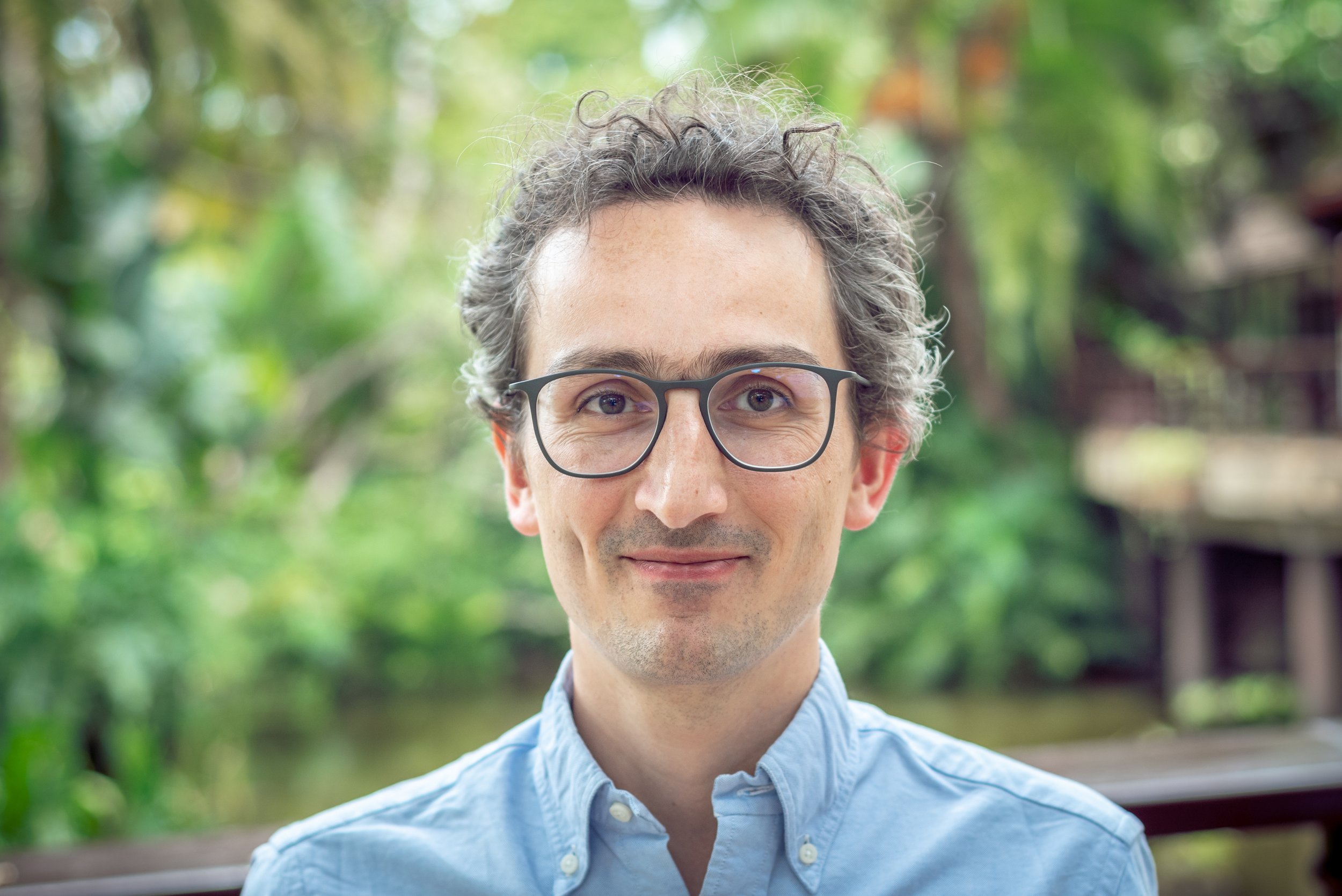 Alexander ChavelPartner, Dalberg Advisors · Moderator
 Tsito RaharisonHead of Investment, SIGNATURE Agri Investments
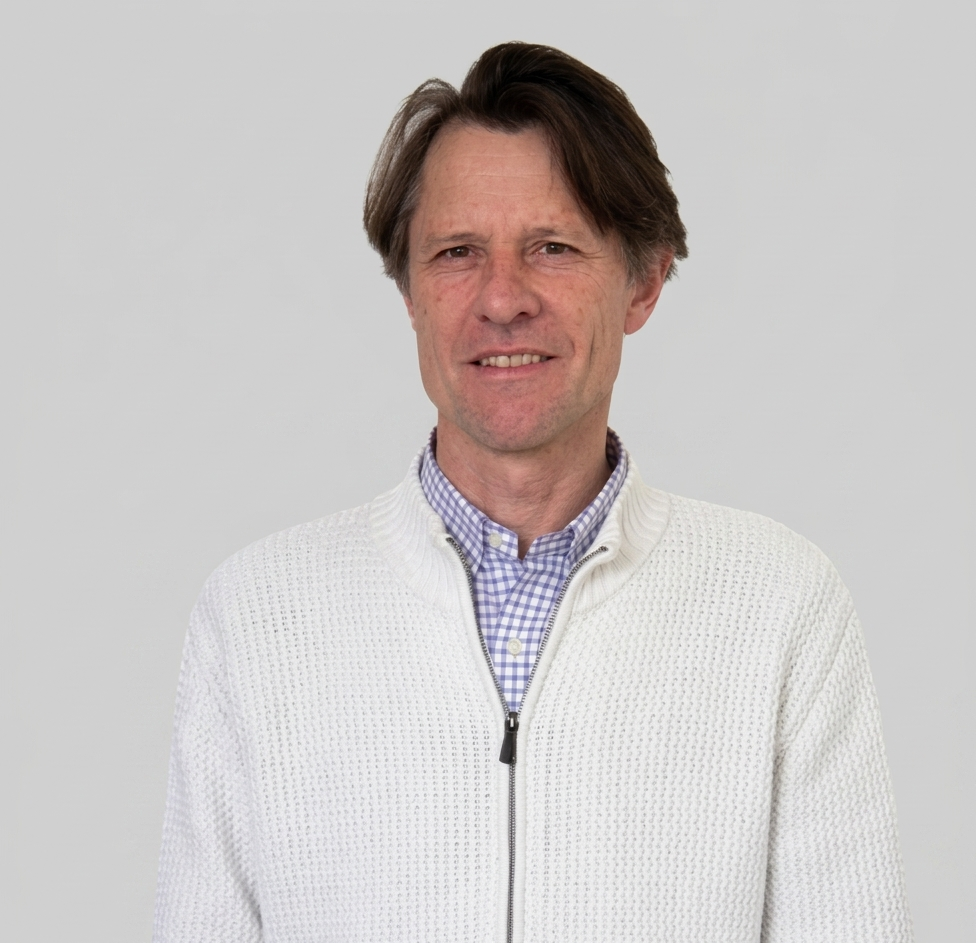 Erik van IngenDigital Agriculture and Innovation Specialist, FAO
 Tetyana ZelenskaDirector of Monitoring, Evaluation and Learning, Digital Green
A breakout on capital for AI in agriculture, including philanthropic, public-sector, and impact-investing perspectives on what deserves support and how proof should be assessed.
Simultaneous Breakout · Marenostrum
 Samuel GarmanHead of Data Science and Analytics Practice Lead, BAO Systems
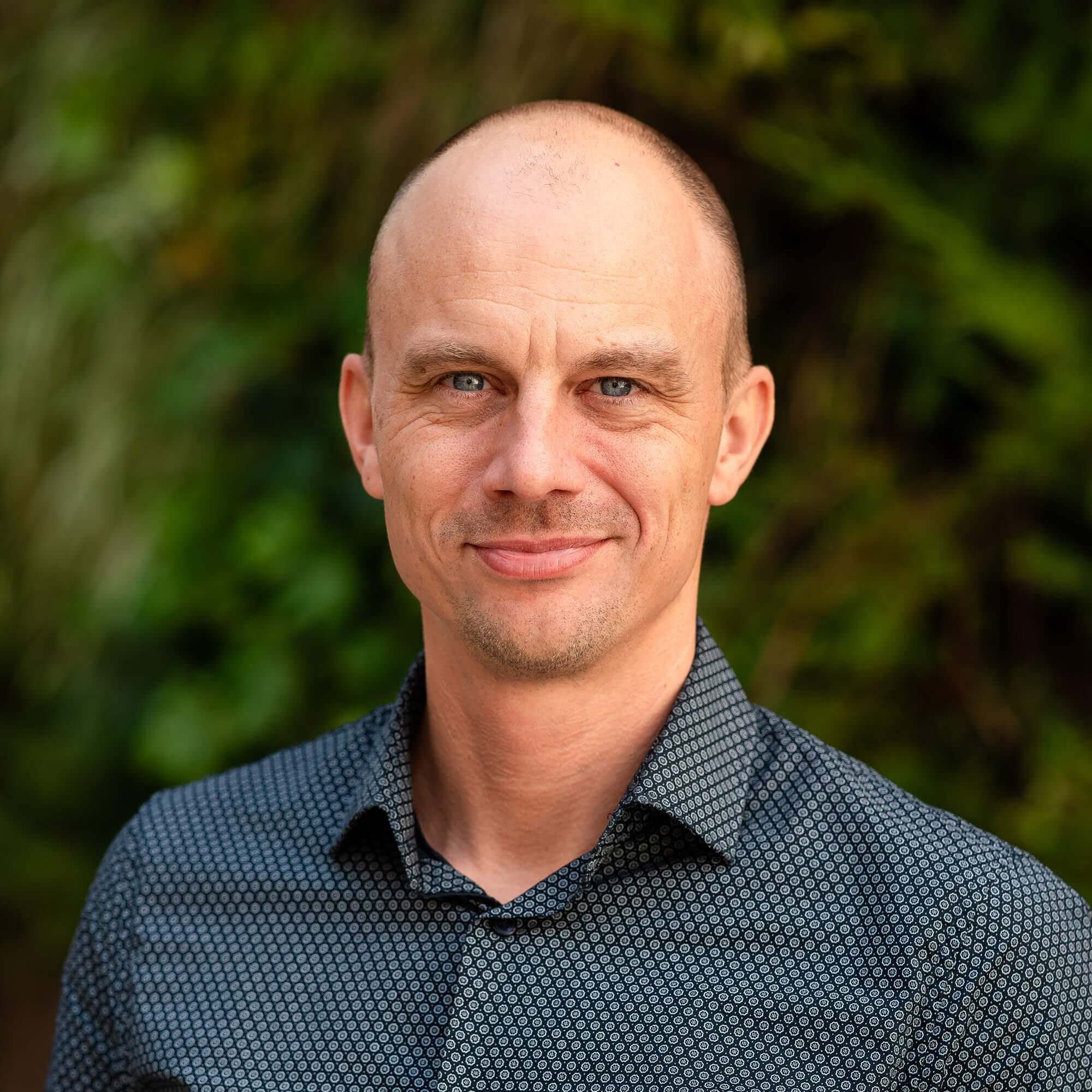 Lars Helge ØverlandChief Product Officer and co-founder, BAO Systems
What happens when an AI agent is embedded in a national health-data system? Using BAO Systems’ DHIS2 Data Agent project as a concrete case, this session explores the promise – and risks – of AI that can connect data sources, detect anomalies, forecast trends and draft situation reports. Can earlier warnings lead to better action when data is incomplete, delayed or politically sensitive? How do we balance speed with false alarms, and innovation with accountability, data sovereignty and human oversight? The discussion reaches beyond health surveillance to a wider ECOSYSTEM question: can AI strengthen shared institutional capability while leaving public institutions – and the people they serve – in meaningful control?
Recording not in this collection
Simultaneous Breakout · Earthshot
A session on translating evidence into funding and implementation decisions, and what AI-enabled workflows may change in the path from research to scaled action.
Recording not in this collection
Networking · Red Room
A final short break before the last round of breakout sessions.
Simultaneous Breakout · Town Hall
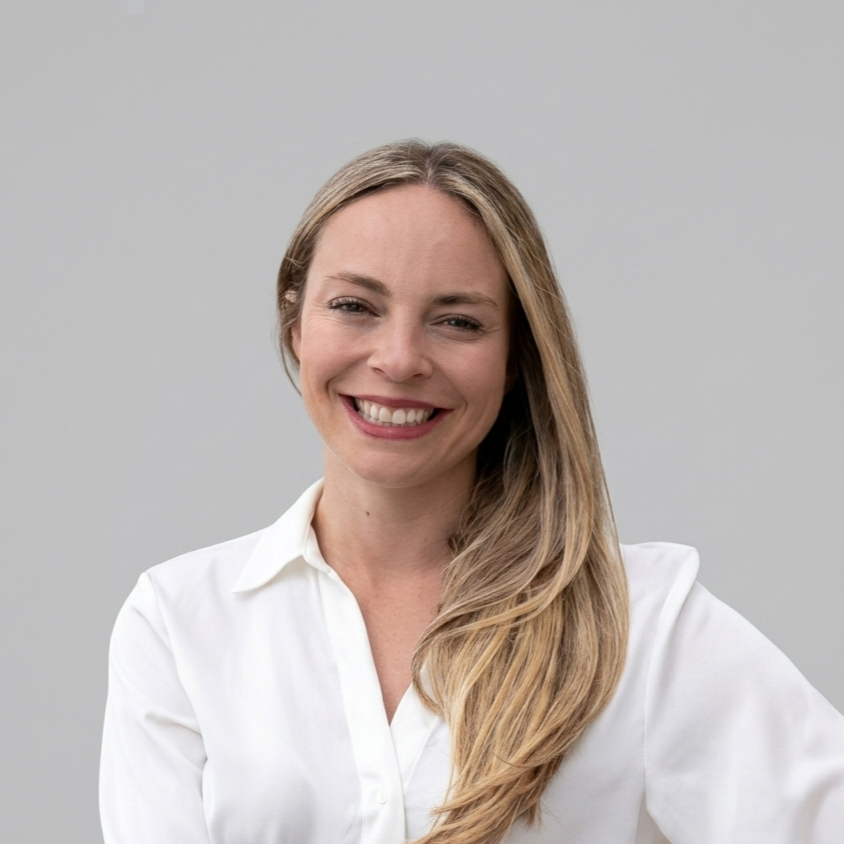 Grace Lyn HigdonCo-Founder, BenevAI
 Rachel ColdicuttCareful and community tech. Founder and non-exec
 Melissa OminoDirector, CIPIT
 Grace CramerDeputy Team Leader, Technology and Innovation Unit, FCDO
There is no shortage of responsible AI frameworks at the global level, and more continue to arrive. The question brought to the panel is:
Which parts of the principles, guidelines, and policies are fit for purpose for a specific tool, for a specific organization, and for the type of work and risk being incurred when AI is integrated?
Building the field for an AI Assurance ecosystem to mature within the social sector offers one path forward. Assurance is the practice of checking, on an ongoing basis, that the principles, guidelines, and policies an organisation relies on remain fit for the type of work and risk it incurs.
AI assurance is comparatively mature in commercial sectors like defence and finance, whereas in the social sector the primary focus has been on AI evaluation. Evaluation currently functions as a static one-off while organisations are continuously implementing AI systems without knowing how to assess their risk profiles, when a tool might change underneath their approaches, or sometimes even what tools they have adopted. Ongoing AI assurance, which could answer those questions, is largely missing from the social impact sector.
We also know that generalist principles and frameworks do not travel well across the globe. The panel discussion will champion context-sensitive practices rather than a copy-and-paste of “global norms” into a context those norms were not developed for, and which often exclude actors in the Global Majority.
The panel will discuss a real-world example, Nwulite Obodo Open Data License (NOODL), which was created to address inequities in traditional open data models. It embeds community-centered principles of recognition, ownership, and benefit-sharing, helping communities negotiate the value of their data.
The panelists will use this example to examine the potential for modular assessments that start from what already exists in a jurisdiction — laws, licences, and policy tools — and are matched to the tool, the organisation, and the risk being incurred. This is contrasted with generic templates or frameworks in order to surface tensions that emerge when considering how enforcement, redress mechanisms, and risk-monitoring mechanisms could interplay with principles, regulations, and licensing requirements.
Simultaneous Breakout · Earthshot
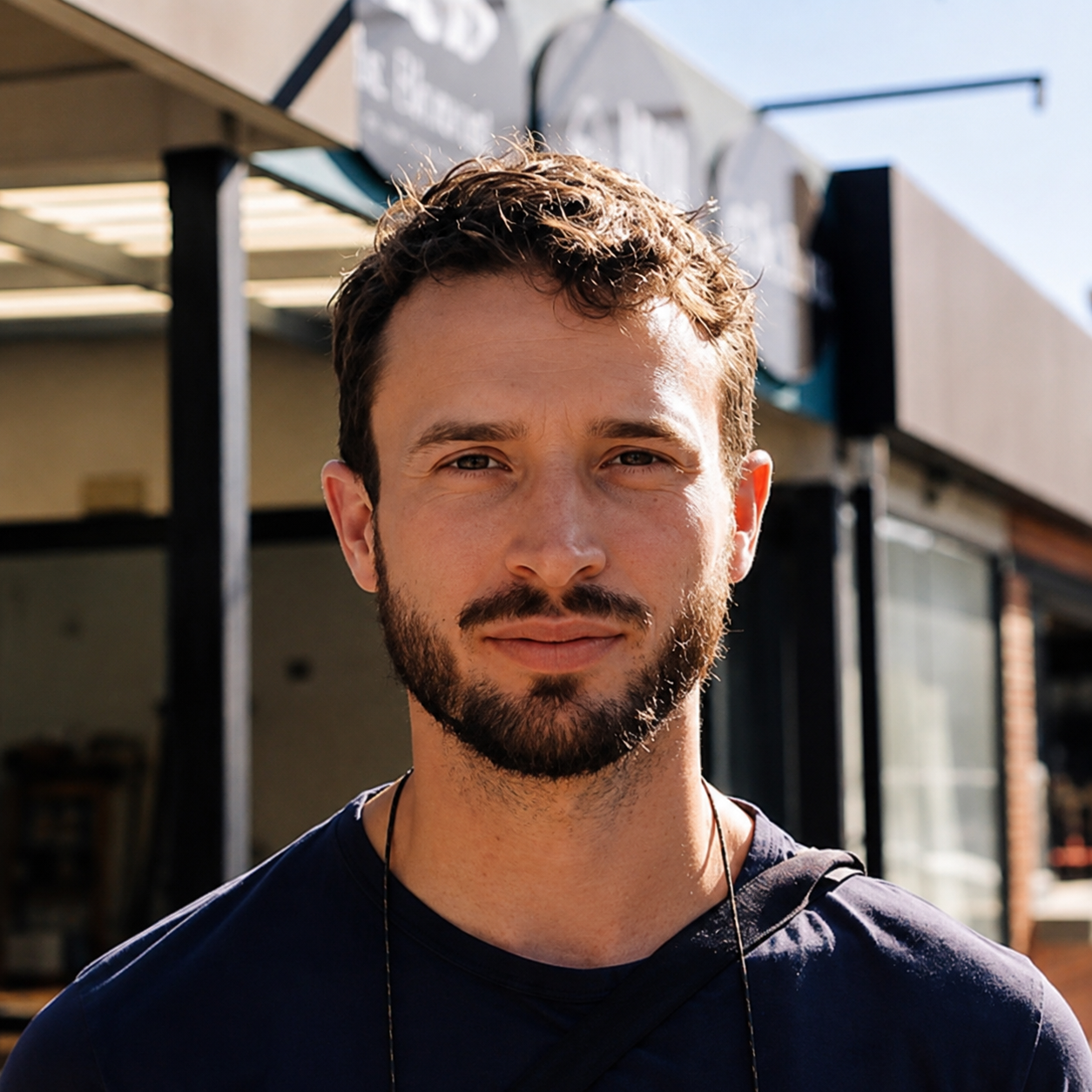 Joshua BerettaHumanitarian Project Coordinator, KoboToolbox
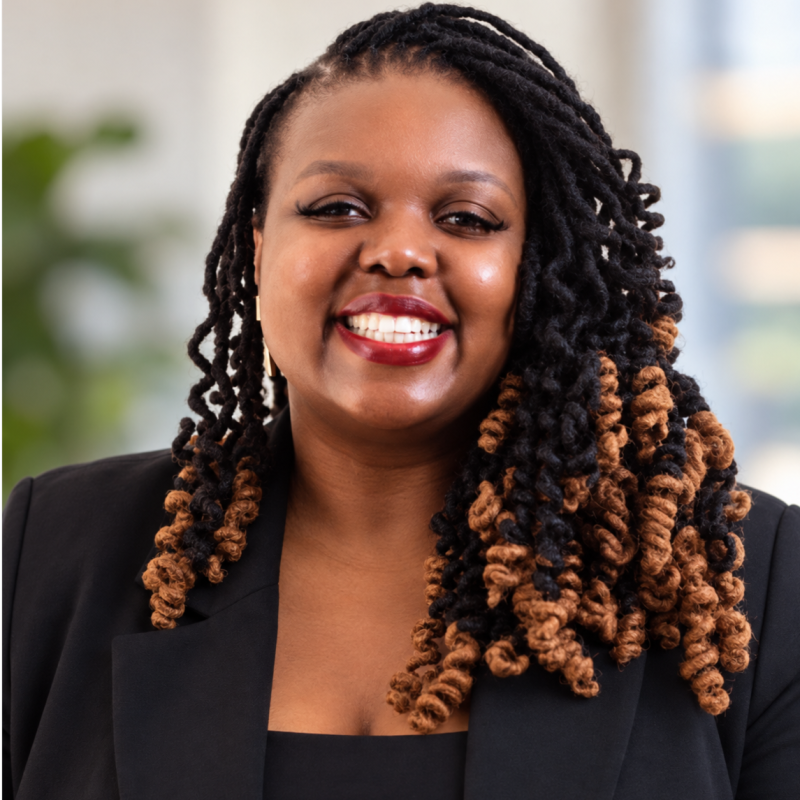 Chengetai Maruviza
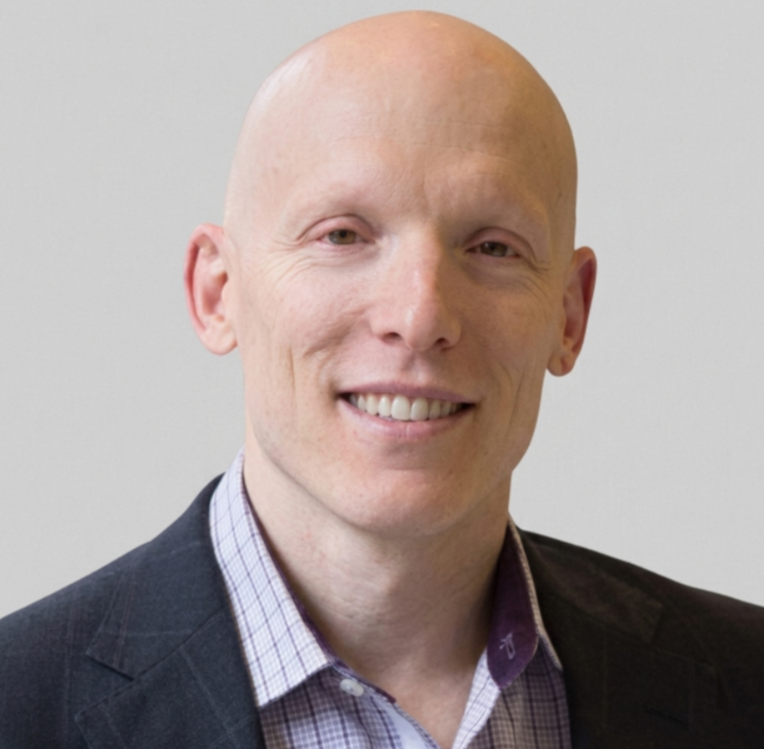 Sasha DichterCo-Founder and Chief Executive Officer, 60 Decibels
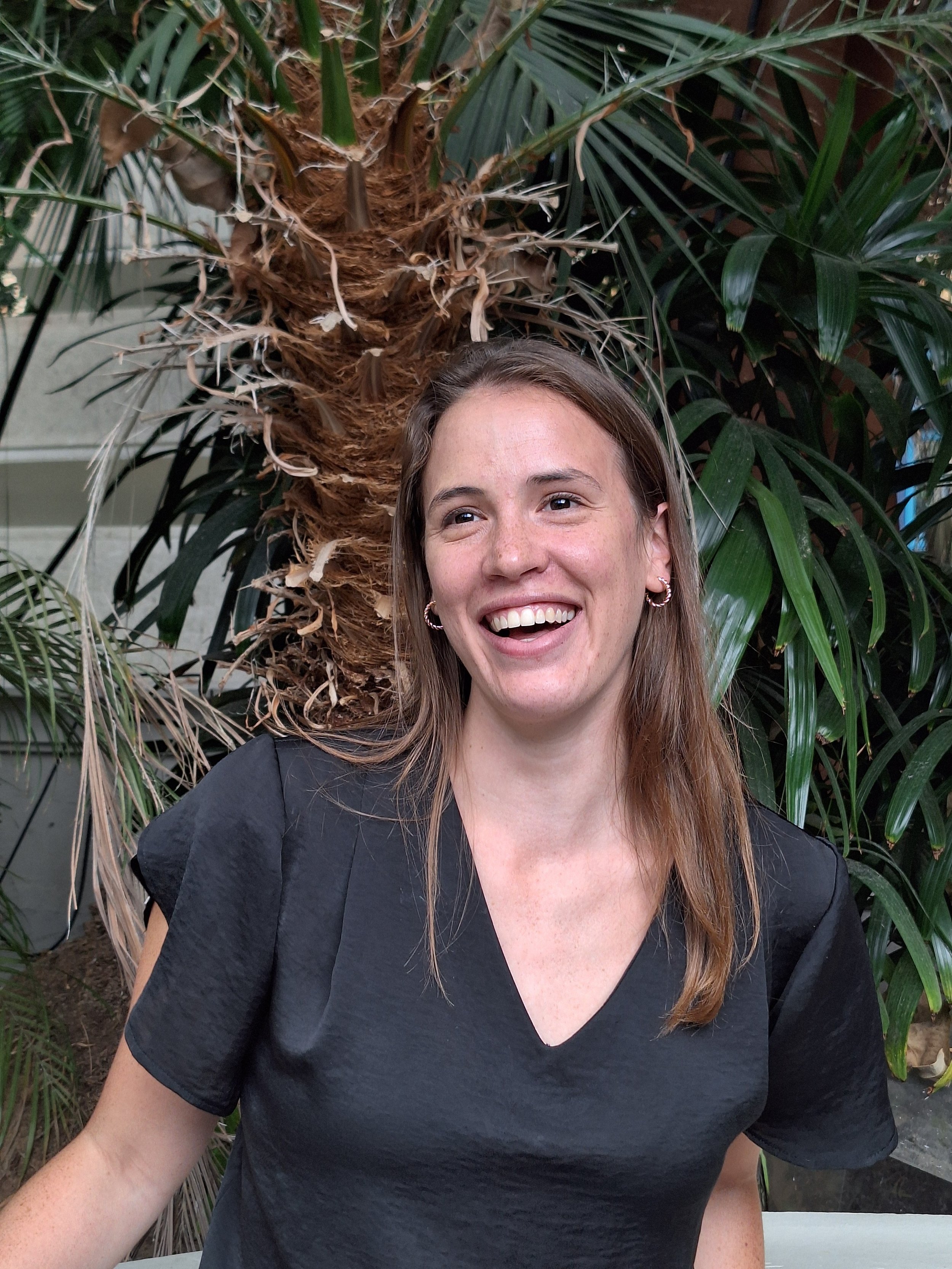 Catalina MainardiEcosystem Consultant, UN World Food Programme Innovation Accelerator · Moderator
AI has enormous potential to strengthen humanitarian and social impact efforts, yet many crisis-affected communities remain poorly represented in the data and languages that shape today’s AI systems. As a result, their realities are often insufficiently reflected in the solutions being developed, and even where solutions exist, they may not be designed to work across the languages, contexts and conditions in which these communities live. Without deliberate effort, mainstream AI risks leaving already underserved communities further behind.
In this session, CLEAR Global and KoboToolbox will share how they have built humanitarian innovation solutions with and for crisis-affected communities worldwide, and how they are now working together to make AI more accessible, representative and responsive to communities that mainstream systems often fail to serve. The panel will ask what meaningful ownership looks like in practice, whose knowledge is represented and how the resulting tools are governed. It will also explore how collaboration can help organizations can overcome data limitations, build more locally relevant solutions and expand impact beyond what any single organization could achieve alone.
Recording not in this collection
Simultaneous Breakout / Invitation Required · Marenostrum
A closed-door roundtable on donor strategy, governance, and the institutional conditions for responsible AI adoption across development organizations.
Recording not in this collection
Closing Session · Town Hall
Recording not in this collection
Reception · Rooftop terrace
Rooftop cocktails, networking, and closing remarks to continue the day’s conversations and connect practitioners across sectors before the summit moves into Day 2.
How can ownership and institutional design distribute agency, value, and power?
Red Room
Registration opens with coffee and an early opportunity to meet fellow participants before the formal program begins. Use the half-hour to get oriented, make initial connections across the ownership, finance and policy communities, and identify the conversations you want to follow through the day.
Opening remarks · Town Hall
Ownership is not a footnote to economic policy; it decides who controls assets, captures returns and has a voice when priorities shift. This opening sets out the day's central question: which ownership models can spread agency and prosperity while remaining investable, competitive and capable of operating at scale?
Closed-door session — for invitees only · Marenostrum
Closed-door side event on responsible AI risk monitoring.
Recording not in this collection
Opening plenary · Town Hall
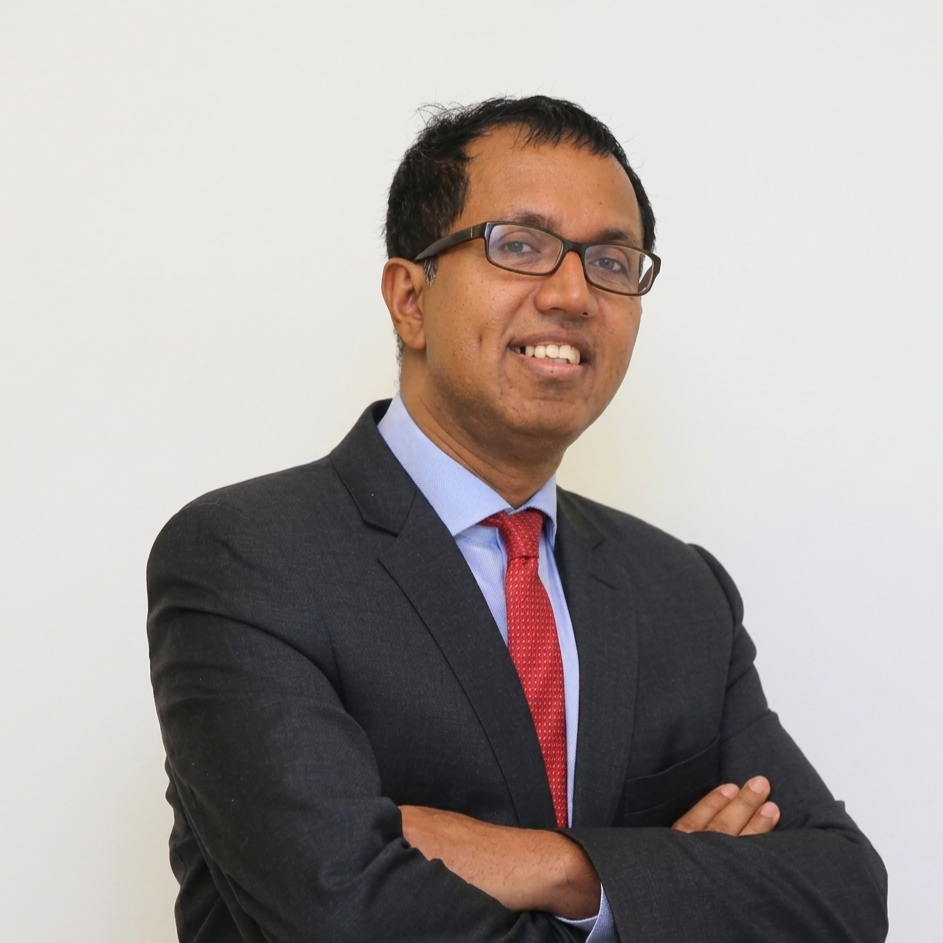 Hamid RashidSenior Advisor to Bhutan’s Permanent Mission
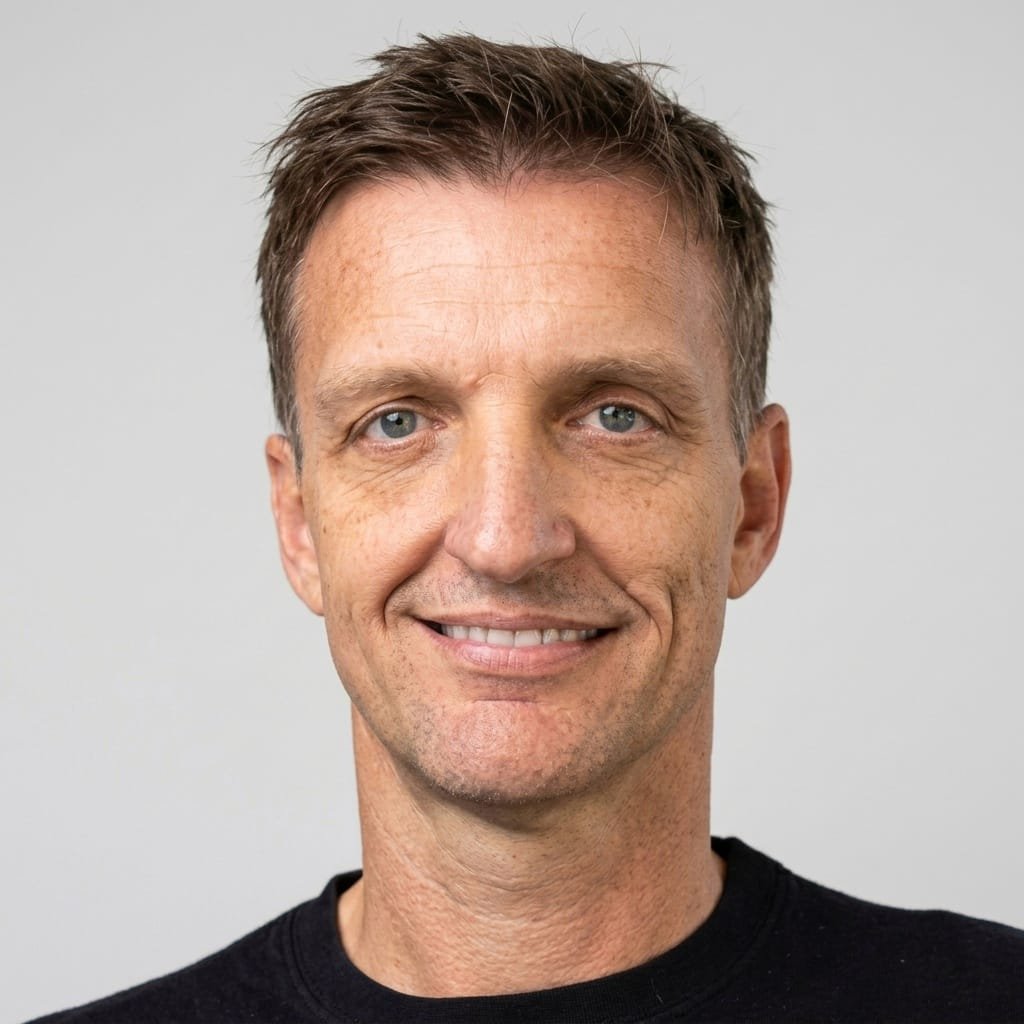 Dr. Jan EeckhoutICREA Research Professor at Pompeu Fabra University
 Dr. Nuria OliverCo-Founder and Director, ELLIS Alicante FoundationDr. Bhaskar ChakravortiDean of Global Business, The Fletcher School at Tufts University
Artificial intelligence could lift productivity while concentrating rents among a small group of firms and investors. The panel will examine its effects on wages, bargaining power and job quality, and ask which European policies can widen access to the gains without weakening innovation, investment or global competitiveness.
Fireside chat · Town Hall
MONDRAGON shows that democratic ownership can reach industrial scale, but its history is also a study in compromise. This conversation examines how the federation balances worker voice, solidarity and shared prosperity with capital needs, international competition and the practical demands of governing a complex global business.
Networking · Red Room
Session · Town Hall
Platform cooperatives promised a democratic alternative to venture-backed marketplaces, yet few achieved comparable scale. Using Fairbnb.coop as a candid case study, the session will examine network effects, capital, governance and user convenience, then ask what mutualistic AI ventures must design differently from the outset.
Workshop · Closed-door — for invitees only · Marenostrum
As humanitarian needs continue to outpace available resources, organizations are under increasing pressure to do more with less. Yet many agencies and actors face the same challenges, often investing separately in similar tools, systems, and capabilities. What if we brought together ecosystem players to co-ideate and collaboratively explore how shared ownership, partnerships and scaling approaches can reshape humanitarian innovation? Co-hosted by the WFP Innovation Accelerator and the Government of the Grand Duchy of Luxembourg, this session explores how shared ownership, partnerships and collaborative scaling approaches can help address common humanitarian challenges. Together, participants will examine what these common challenges are, and how to strengthen coordination, accelerate innovation adoption and create greater value for the whole humanitarian ecosystem. This discussion will bring together perspectives from stakeholders across humanitarian organizations, technology experts, ecosystem builders, funders, and institutional innovators to collectively address key challenge areas gathered from the experience of the Humanitarian Innovation Accelerator, and co-ideate on possible solutions.
Recording not in this collection
Main stage · Town Hall
Erik Forman, Co-Founder of The Drivers Cooperative, will present “Lessons from The Drivers Cooperative: Can Technology Ventures Really Work with Democratic Governance?”
Main stage · Town Hall
What does it really mean to own the platform you work on? This study explores a freelancer-owned cooperative, finding that voting rights do not guarantee equal influence or shared wealth. As fewer members contributed new work and earnings remained concentrated, it asks what turns membership into meaningful ownership.
Main stage · Town Hall
 Magda Pavlak ChiaradiaChief Revenue Officer, CommonShare · Moderator
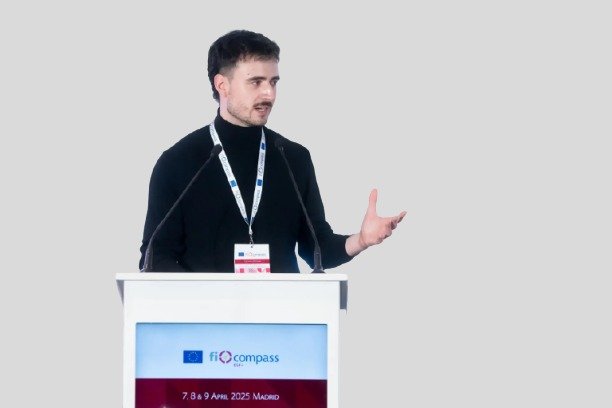 Kosta JuriDirector, Institute for Economic Democracy
This session examines how Europe can convert viable companies into employee, cooperative, or other democratic ownership structures. Although alternative ownership models offer a response to concentrated market power and unequal wealth, most workers and communities lack the capital, transaction support, and institutional infrastructure needed to acquire productive assets. The panel will explore how ethical banks, sellers, public institutions, and patient investors can share financial risk without placing unsustainable debt on companies or transferring control to outside capital
Main stage · Town Hall
 John GarryGeneral Partner, Garry Elevator · Moderator
 Juho MakkonenCo-founder, Sharetribe
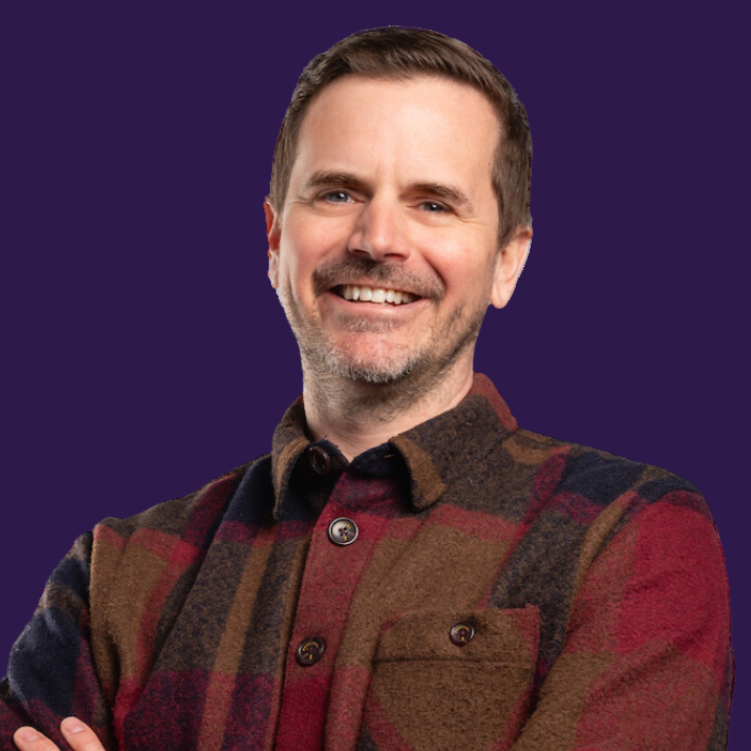 James de le VingneCEO, Employee Ownership Association
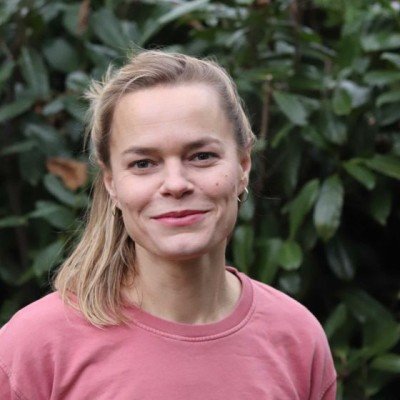 Lilly PokrakaProject Manager, Purpose Foundation
This session begins after a company has crossed the ownership threshold. It asks how that company can preserve its mission, distribute economic benefits fairly, and maintain meaningful participation through changes in leadership, financing, strategy, and market conditions. The panel will separate the different rights that conventional ownership often combines, including rights to profits, governance, appointments, sale, and changes of purpose.
Lunch · Skapa Restaurant
Conversation · Town Hall
Louis Kelso argued that broad access to productive capital, rather than redistribution alone, was essential to an inclusive economy. This conversation revisits that claim through models for employees, consumers, residents and producers, asking which can broaden wealth and agency without becoming financially fragile or administratively burdensome.
Panel · Town Hall
 Nuri PalmadaCooperative board member, Som Energia
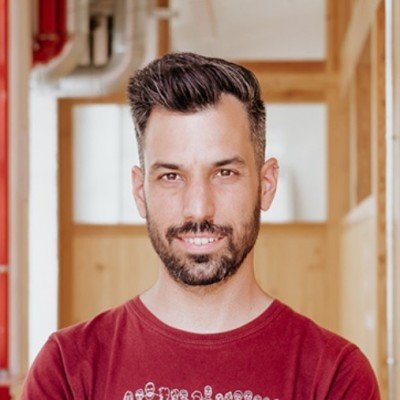 Carles Baiges CamprubíArchitect and Co-Founder, Lacol
 Sonja BetschartCo-Founder & Co-Pilot, WeRobotics
 Dr. Jens LowitzschProfessor, European University Viadrina
Ownership becomes tangible when it shapes energy, housing, civic technology and other shared infrastructure. Drawing on cooperative, architectural, robotics and policy perspectives, this panel asks who holds control rights, how stakeholders exercise voice and what stewardship requires when assets must serve communities for decades.
Panel discussion · Marenostrum
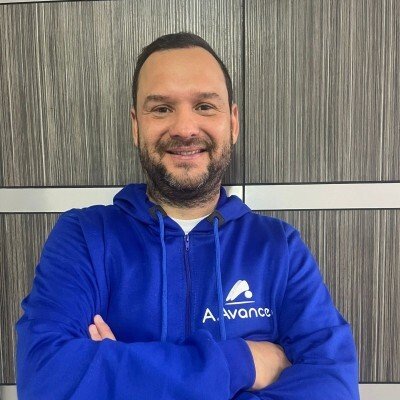 John HerreñoMBA | COO at AAvance
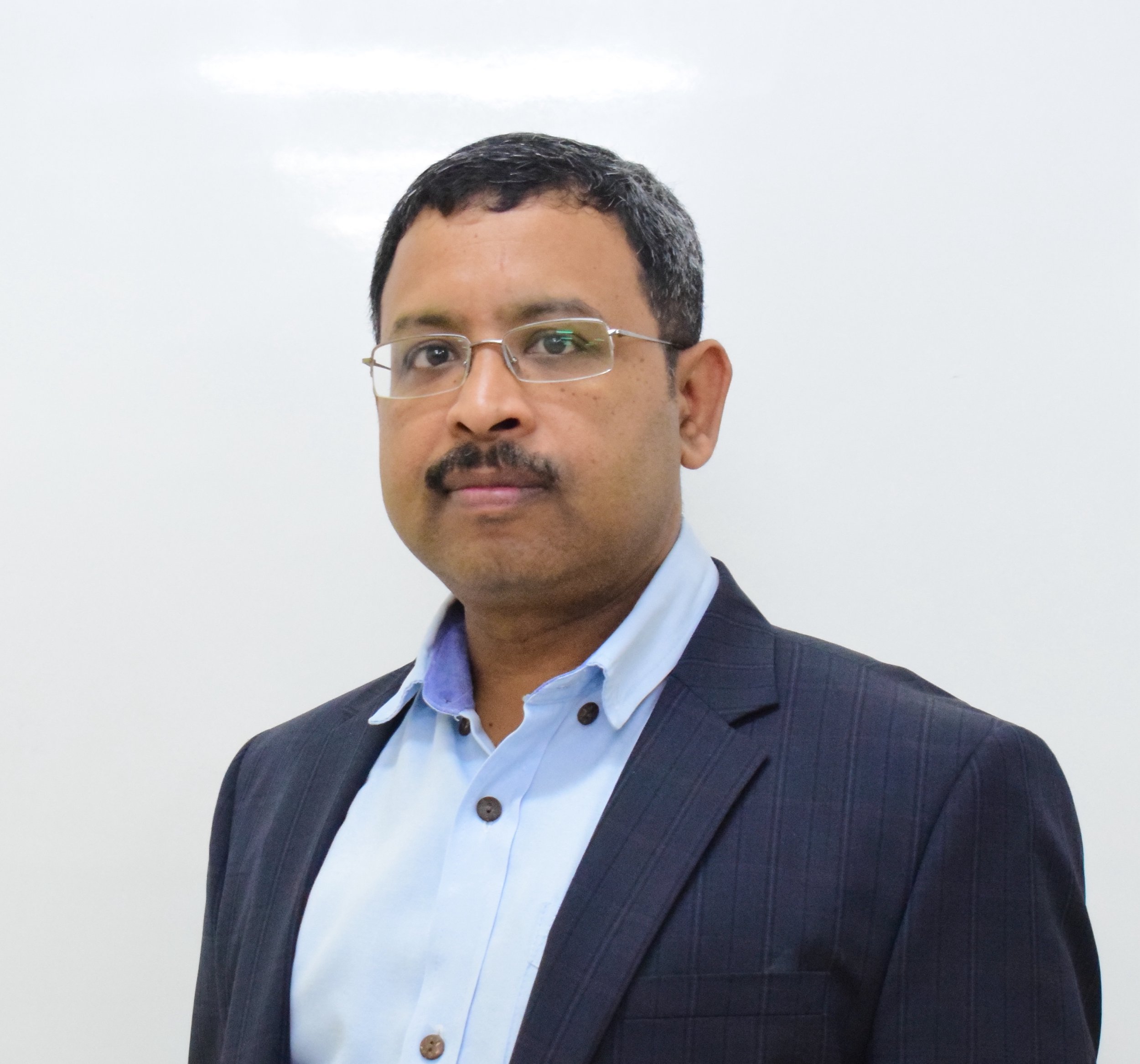 Indrajit PalAssociate Professor and Chair, Climate Change, Disaster and Urban Sustainability, Asian Institute of Technology, Thailand
 Michelle JosephInnovation & Portfolio Management Lead, WFP Innovation Accelerator
Across development and humanitarian systems, locally rooted leaders are defining priorities, designing solutions, and shaping how progress is measured. This session examines how local expertise, lived experience, and direct community feedback can influence investment, policy, product design, and institutional decision-making. The speakers bring perspectives on three connected forms of leadership: creating solutions grounded in local realities, generating evidence through direct engagement with communities, and building networks that strengthen local technical capacity and decision authority. Together, they will explore who defines the problem, whose knowledge establishes value, and how locally led approaches can shape practice across regions. The conversation centers leadership, accountability, ownership, and trust—connecting directly with the conference’s wider questions about who controls emerging capabilities, who benefits from them, and whose expertise becomes visible and influential.
Recording not in this collection
Conversation · Town Hall
Sustainability systems verify products, emissions and compliance more readily than they reveal who shares in the value created. This bridge session asks whether certification and traceability can recognize worker participation, producer benefit and shared ownership, and what market infrastructure would make those claims credible.
Networking · Red Room
Panel discussion · Town Hall
 Romain LiotCo-founder and Former COO, Adore Me
 Thom TownsendExecutive Director, Open Ownership
 Wendy ThomasData Manager, Extractive Industries Transparency Initiative
Beneficial ownership transparency can strengthen procurement, investment and responsible trade, but disclosure also creates risks for privacy, security and commercial confidentiality. The panel will explore where visibility builds trust, where it may cause harm, and how digital identity and traceability systems can balance the two.
Bridge to Day 3 · Live lab · Town Hall
Environmental data is abundant but fragmented across institutions, formats and rules. This live lab asks whether a federated commons can enable interoperability without creating another extractive platform, focusing on access, contribution, assurance and incentives, as well as the governance needed to make shared infrastructure credible.
Rooftop · Norrsken Rooftop
The formal program moves to the Norrsken rooftop for a reception centered on follow-up conversations and practical next steps. Participants can revisit questions raised during the day, meet speakers and peers from other sessions, and identify the partnerships or experiments worth carrying forward.
Around Barcelona
Optional small-group dinners around Barcelona provide a more informal setting to continue the day's debates. Participants can compare institutional models, explore possible collaborations and deepen connections across the ownership economy community after the formal program has concluded.
How can shared standards, data rails, and verification make commerce trustworthy?
Beach · Meeting point: in front of Norrsken
Meet in front of Norrsken for the optional early workout on Barcelona beach. The informal setting gives participants a relaxed opportunity to meet before registration and the day’s formal discussions begin.
Registration · Red Room
Coffee and registration provide an early opportunity to meet participants from industry, finance, standards bodies and technology before the formal program begins. Use the half-hour to make introductions, compare priorities and identify the sessions and collaborators most relevant to your work.
Opening remarks · Town Hall
Trusted commerce depends on more than disclosure. It requires shared standards, interoperable data, credible verification and governance that can withstand commercial pressure. These opening remarks frame the day around a practical question: what infrastructure is needed for claims about origin, impact and compliance to be relied upon across markets?
Recording not in this collection
Panel · Town Hall
 Elizabeth A. BennettEndowed Professor + Strategic Advisor, UN Forum on Sustainability Standards
 Christopher BoardSustainability Specialist, International Tin Association Ltd
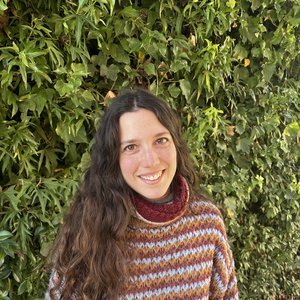 Blanca Racionero GomezSenior Researcher, Just Transition and Natural Resources, Business & Human Rights Resource Centre
 Alec PopperResponsible Sourcing & Sustainability Officer, The Cobalt Institute
The energy transition is intensifying demand for critical minerals, yet markets still struggle to distinguish cleaner production from better marketing. This panel asks what evidence can make the 'cleanest ton' visible and valuable, linking emissions and traceability with water, biodiversity, labor conditions and community benefit.
Plenary and Product Launch · Town Hall
Martin SmithCEO and Co-Founder, CommonShare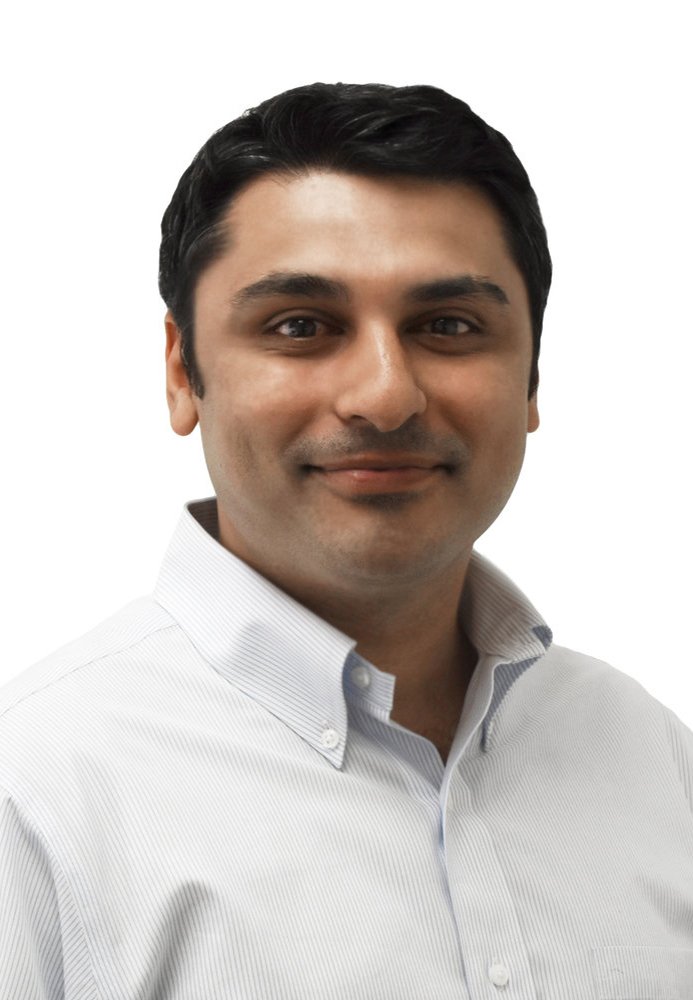 Karan ChopraCo-Founder, Earthena AI
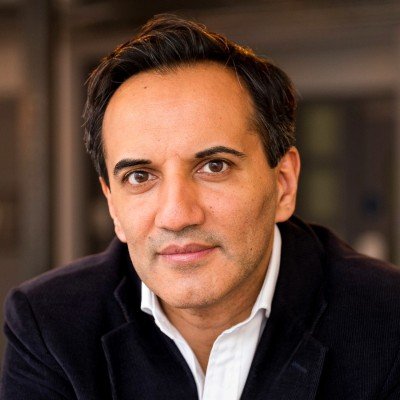 Iggy BassiCo-Founder, Earthena AI
Supply-chain shocks increasingly move faster than conventional risk processes. This case study examines how agentic modeling and shared data can support decisions across procurement, operations, finance and sustainability, while asking whether fragmented signals can become timely intelligence without creating systems that users cannot explain or challenge.
Networking break · Red Room
Case study · Town Hall
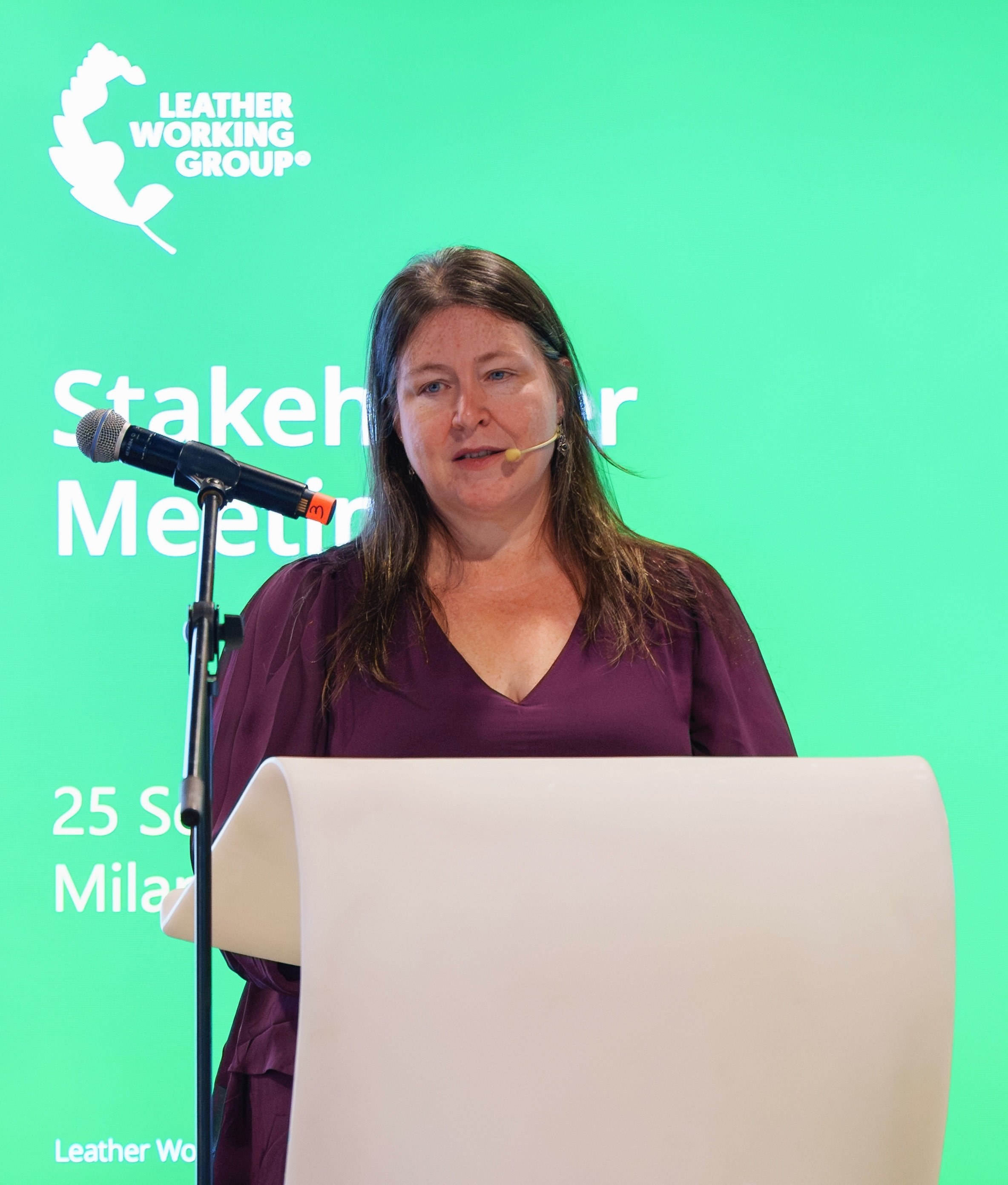
A case study on digitizing assessment tools for the environmental performance of leather manufacturers, while preserving trust in the assurance process.
Case study · Town Hall
Forest supply chains generate growing volumes of satellite, certification and operational data, yet the evidence remains scattered across institutions and formats. This session asks how protocols, verification and governance can turn those signals into accountability at scale while preserving local knowledge and the authority of established standards.
Case study · Town Hall
What if compliance assessments were based on 100% of available data rather than a small sample? As traceability systems become ubiquitous and AI-powered analytics mature, supply chains are approaching a fundamental shift in how trust is established and verified. This session examines the emergence of shared compliance ecosystems that connect traceability data, operational records, and third-party assurance into a continuous model of risk monitoring. Attendees will explore real-world examples showing why compliance failures often originate far upstream of where they are detected and how AI-enabled assurance can help organizations identify risks earlier, improve audit effectiveness, reduce compliance costs, and create strategic value from trusted supply chain data.
Case study · Town Hall
Satellite imagery can reveal land-use change and environmental risk at a scale field audits cannot match, but remote signals still need interpretation and corroboration. This case study examines how geospatial, operational and human evidence can be combined, and what governance is required before nature-tech insights support credible claims.
Lunch · Skapa Restaurant
Lunch at Skapa Restaurant provides time for side meetings and informal discussion across the morning's themes of verification, resilience and institutional trust. Participants can continue conversations with speakers, connect across sectors and prepare for the afternoon's focus on regulation, investment and shared data infrastructure.
Closed-door session — FULL · Invitation only · Marenostrum
This session is full and attendance is by invitation only. Digital claims are useful only when counterparties can verify who issued them, what evidence supports them and whether they remain valid. This closed-door session examines the registrar architecture behind CommonID, including identity, permissions, assurance and interoperability, and how institutions can share rails without surrendering authority.
Recording not in this collection
Discussion · Town Hall
Magda Pavlak ChiaradiaChief Revenue Officer, CommonShare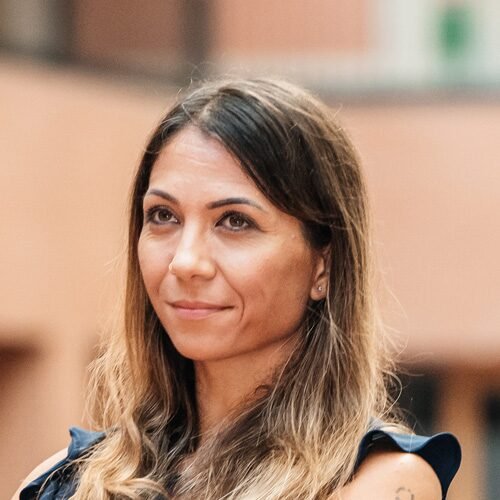 Lela MelonCoordinator and Researcher, Postgraduate Course in Sustainability Transition and Climate Emergency Management
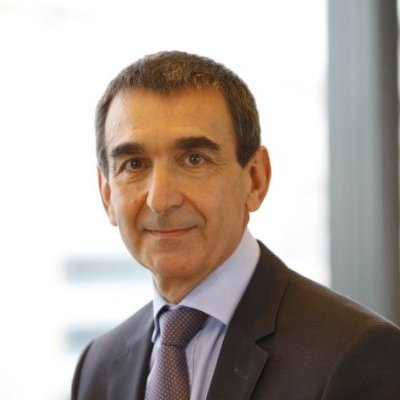 Marc BoissonnetTIC Council
Europe has built an ambitious framework for traceability, product information and circularity. The harder task is turning those rules into functioning markets rather than layers of cost and paperwork. This discussion asks where regulation is creating investable demand, where implementation is fragmented and whether European standards can shape global commerce.
Presentation · Town Hall
Circularity has no shortage of promising technologies, but too few reach commercial scale. This session examines how investors, corporations and venture builders can match capital to the distinct risks of adoption, industrial expansion and market creation, and which evidence can distinguish durable opportunity from an attractive but unproven narrative.
Demo · Town Hall
Martin SmithCo-Founder and CEO, CommonShare; Partner, the Ownership Economy Anas BoudihFront-End Lead, CommonShare
 Borja MontesinosSenior Full-Stack Engineer, CommonShare
Trusted commerce requires AI workflows that can operate across organizations without obscuring responsibility. This demonstration shows how permissions, evidence, escalation and human review can be combined in multi-stakeholder processes, testing whether shared infrastructure can deliver speed while preserving auditability, control and the right to challenge decisions.
Workshop and Closing Session · Town Hall with Overflow into Side Rooms
Magda Pavlak ChiaradiaChief Revenue Officer, CommonShare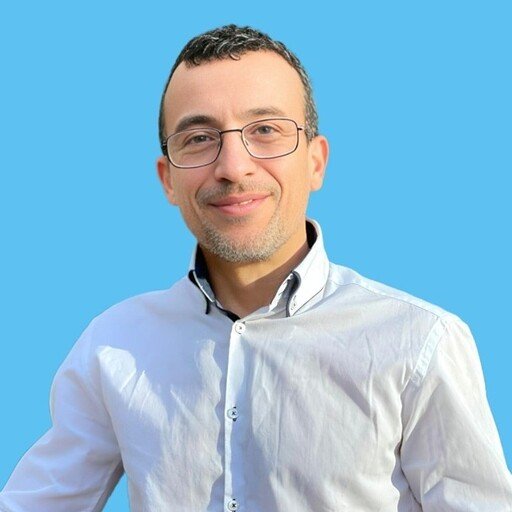 Ivan CresimatiBusiness Development Manager, CommonShareMartin SmithCo-Founder and CEO, CommonShare; Partner, the Ownership EconomyBorja MontesinosSenior Full-Stack Engineer, CommonShareRomain LiotAdvisor, CommonShare
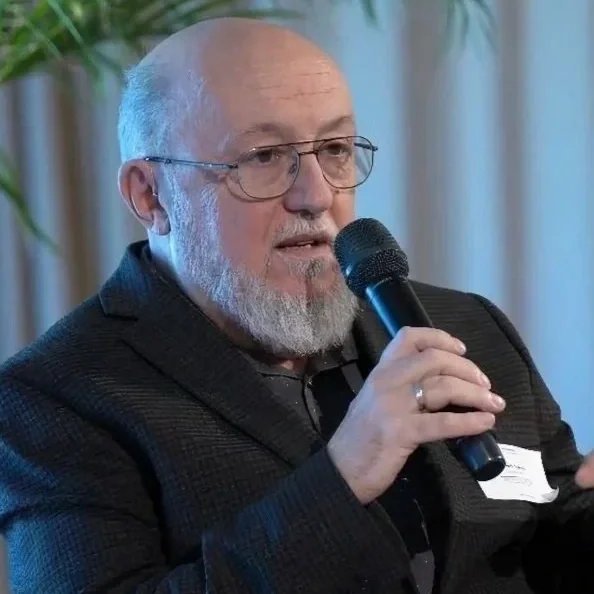 Chuck RogersAmericas Director, Technical Consulting & Supply Chain Solutions, Bureau Veritas Consumer Products ServicesLindsey MooreCEO and Founder, DevelopMetrics
Compliance is shifting from supplier questionnaires toward product-level evidence and continuously updated data. This workshop examines how companies can organize information for ecodesign, traceability and regulation, where collaborative workflows and AI can reduce repeated work, and what must be standardized to keep faster compliance reliable.
Optional evening program · Barcelona
Optional dinners and an informal evening in Barcelona offer a relaxed setting to continue the day's conversations after the formal program. Participants can revisit unresolved questions, make follow-up introductions and turn new connections across the trusted commerce community into practical next steps.