agency
Effective ability to pursue valued ends, define needs or act; include autonomy and usable opportunities.
 SUMMIT & RESEARCH
Who defines the problem, can use the service, and has the power to respond?
Effective ability to pursue valued ends, define needs or act; include autonomy and usable opportunities.
Whose perspectives enter deliberation or design; include missing or limited worker voice.
Attendance or consultation does not establish a vote, veto or binding authority.
See an example →Contextual, professional or lived knowledge used to define problems or judge systems.
Generic expertise without local or affected-person relevance is capacity only.
See an example →Costs or exposure differentiated across people, especially marginalised groups.
Generic unreliability without differentiated effects is reliability.
See an example →Material means of living and dependence on particular work or activities.
Household, community and organisational expectations or social relationships shaping access, behaviour and participation.
Do not reduce social relationships to individual skill or device ownership.
See an example →Explicit attention to interacting dimensions of disadvantage or power, including feminist and Afrofeminist approaches.
A generic reference to women or a single demographic split alone does not establish intersectional analysis.
See an example →Charging, installation costs, household relations, usable language and trusted intermediaries determine whether a service reaches people. Starting with current users can hide exclusion.
Follow the evidence →A seat, a consultation or technical expertise may coexist with exclusion from binding decisions. Analyse authority and the costs of participation.
Follow the evidence →The corpus contains studies, practitioner accounts, demonstrations, proposals and questions. These establish different things. Local knowledge and negative cases can reveal what a generic measure misses.
Follow the evidence → 1:47
1:47Why trials, qualitative knowledge and institutional analysis answer different questions.
 2:23
2:23The adoption gap starts before installation: devices, data cost and household control.
 2:52
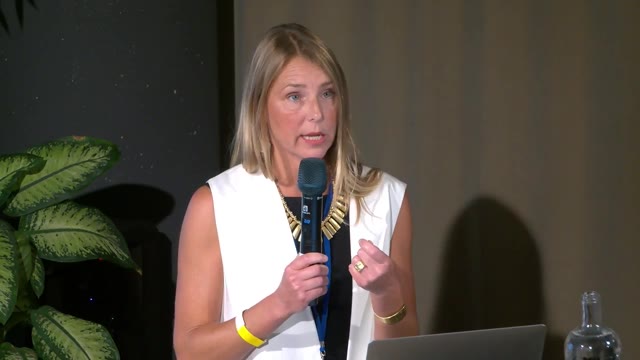
2:52A study distinguishes representation, votes and the power to stop a decision.
 1:54
1:54The transition debate must also consider demand, sufficiency and rights holders.
 3:33
3:33Local-model optimism meets a challenge about resources and bargaining power.
 1:14
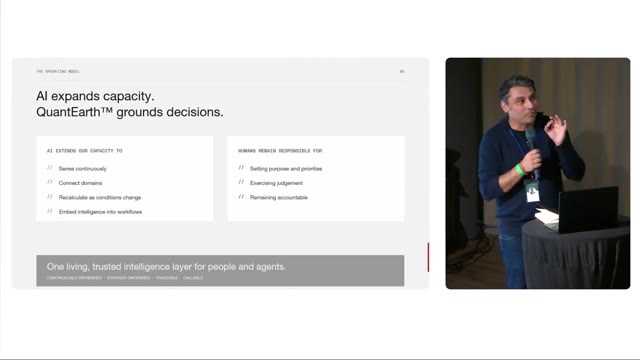
1:14Methods, assumptions, purpose and escalation remain decisions people must own.
Themes can overlap. Counts describe this collection; they do not measure importance, agreement or prevalence outside the event.